
When you see your cat every day, it can be hard to notice small changes in their weight. This is particularly difficult if they’re a long-haired breed — what’s under all that fluff? But keeping an eye on your cat’s weight is important as overweight cats are at an increased risk for a number of health conditions and can have a shortened life expectancy.
What Is an Average Cat Weight?
While most adult cats fall within the range of 8 to 12 pounds, this range doesn’t apply to every cat or cat breed. It’s best to ask your veterinarian what your cat’s ideal body weight is, because it depends on their breed, age, lean muscle mass, body frame and activity level. For example, despite the number, a 15-pound Cornish rex and a 15-pound ragdoll may fall into different weight categories due to their muscle tone and fat distribution.
Is My Cat Overweight?
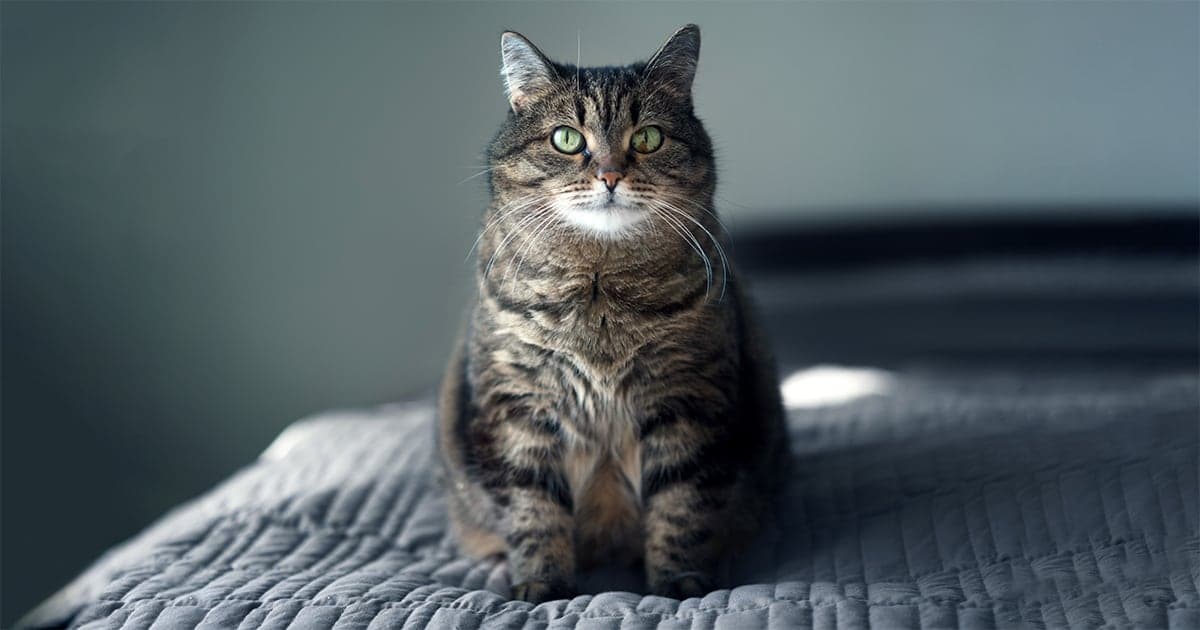
Luckily, there’s no need to convince your feline friend to stand on the scales. Veterinarians use a standardized body condition score to determine if a cat is underweight, an ideal weight or overweight. A healthy weight is when your cat’s ribs can be felt beneath a thin layer of fat, a slight waistline is visible when viewed from above and their tummy gently tucks up when viewed from the side.
Because weight gain occurs gradually — and pet parents see their cats every day — it may be difficult to notice signs of weight gain. Regular body condition checks and veterinary checkups can help cat owners monitor their cats’ body condition and overall health.
How to Tell If Your Cat Is Overweight
In between checkups, you can monitor your cat’s body condition at home.
- Gently run your hands along your cat’s sides as if you’re petting them. If you need to apply pressure to feel their ribs, this can be a sign of an overweight or obese cat.
- When you look down from above, do you see an hourglass shape with a waist between their abdomen and hip joints? If your cat’s abdomen is wider than their shoulders or hips, that can signal excess weight.
- Look at them from the side. Do they have a sagging belly? Does their belly apron (the skin of their tummy just in front of their back legs) swing when they trot or run? This can also indicate excess weight.
Why Is a Healthy Cat Weight Important?
Overweight and obese cats are at greater risk for serious health issues that ultimately can lead to a decreased quality of life and a shortened life span. This includes:
- Heart disease
- High blood pressure
- Diabetes and insulin resistance
- Urinary tract diseases
- Liver disease
- Lameness and arthritis
- Nonallergic skin disease
The good news is that you can help manage your cat’s weight and reduce the risk of obesity by consistently feeding an appropriate amount of food, avoiding feeding table scraps, limiting treats to no more than 10 percent of daily calories and establishing a fun exercise routine that includes play options when you’re away from home.
Why Is My Cat Fat?
Many of the causes behind weight gain in cats are related to their lifestyle and feeding habits. However, there are health issues that cause obesity in cats. Cats who don’t feel like moving around as much due to arthritis or chronic pain burn fewer calories, which causes gradual weight gain. Similarly, heart and/or respiratory disease results in reduced activity and stamina, which results in the cat moving less and gradually gaining weight. In general, anything that reduces a cat’s ability to move can affect their weight.
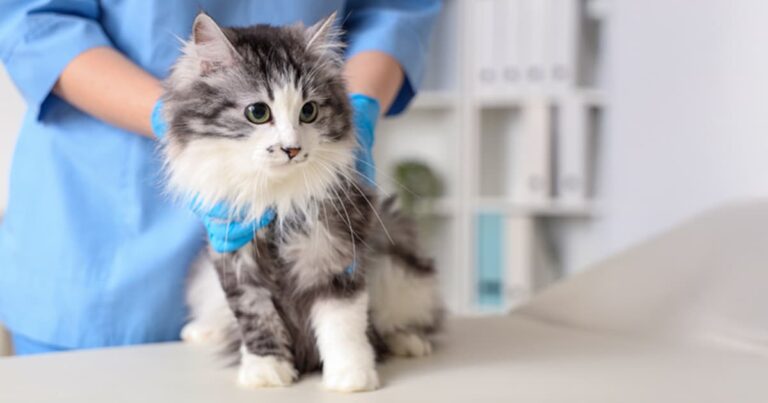
There are also rare health conditions such as an underactive thyroid (hypothyroidism), overactive adrenal glands (Cushing’s disease) or a tumor of the pancreas (insulinoma), which can cause weight gain. If you notice your cat has gained weight, you should start with a checkup with your veterinarian to rule out any underlying health issues, unexplained weight gain or age-related changes, particularly in senior cats.
Is Your Cat’s Lifestyle Affecting Their Weight?
If your veterinarian has ruled out a health issue, the bottom line is that overweight cats are consuming more calories than they are expending. This could be from too much food, too little exercise or too many treats.
- Too Much Food
Is your cat’s food bowl filled to the brim once or twice a day? Instead of providing large amounts of food at one time, check the cat food package for a feeding guide and measure out an amount that’s appropriate for your cat’s ideal weight. Or ask your veterinarian how much food you should be providing each day. - Free-Choice Feeding
This basically provides your cat with all-day access to a buffet table. While some cats will only eat what they need, others will eat as much food as is available — and those cats will pile on the pounds.
If you want your cat to eat several small meals throughout the day, consider providing measured amounts of dry kibble offered in a food puzzle, programmable feeder or in their usual dish. It’s still important to feed distinct meals, even though you’re allowing your cat to eat small amounts of food frequently. You can also substitute meals of canned food for a portion of the dry food. - Too Little Activity or Playtime
Many veterinary experts believe that a sedentary lifestyle is the number one cause of obesity in cats. You can get your indoor cat moving by engaging their natural hunting instinct through the use of food puzzles or food-dispensing toys. Using an interactive feeding toy to play with for just 10 minutes twice daily can also increase your cat’s activity. - Too Many Treats
It’s OK to spoil your cat with some treats, as long as you don’t become an automatic treat dispenser. To keep your cat’s diet balanced, treats should account for less than 10 percent of your cat’s daily calories. - Food Equals Love
The pet-owner relationship has a significant influence on a cat’s weight and activity. Many people equate food with love, and as pet owners, they may tend to show affection by giving their cats extra food, treats and “people food.” Unfortunately for some cats, their owners may be literally loving their cats to death by overfeeding. A new toy, extra playtime or more lap time may be what your cat really wants instead.
Cats are most likely to become overweight between the ages of 2 and 12 years and particularly when they reach middle age. Then, as they become seniors, the tendency to become overweight decreases and cats may even lose weight. Monitoring your cat’s body condition and adjusting the amount of food fed as needed can help you keep your cat at a healthy weight.
How to Help My Cat Lose Weight
If your veterinarian has ruled out underlying health issues and has recommended a weight loss plan for your overweight cat, the goal will be gradual progress rather than rapid weight loss. Sudden food restriction in cats can increase the risk of hepatic lipidosis, which can lead to liver failure. A slow and steady approach following the advice of your veterinarian is much safer.
Exercise is an important part of a weight management program and supports overall wellness. Interactive play, climbing, chasing toys or even exploring a cardboard box can help maintain lean muscle mass and support long-term weight loss. Short, regular play sessions throughout the day are often more effective than occasional longer sessions.
Your veterinarian may recommend feeding a specifically formulated cat food to help your kitty lose weight safely and slowly. Weight management diets tend to be formulated with more fiber to help cats feel full and naturally want to eat less. High-protein and low-carbohydrate diets can also support satiety and delay stomach emptying. If you help your cat feel full after a meal, they will be less tempted to beg for treats or snacks, which can contribute to a higher risk of obesity.
If you have an overweight cat, you’re not alone; obesity in cats (and dogs) has become a common condition. More importantly, you’ve taken an important first step toward addressing the problem — you’ve recognized it. Your next step is to schedule an appointment with your veterinarian, who can determine if there’s an underlying medical reason why your cat is carrying excess weight and create an appropriate weight management program to help your kitty achieve their ideal weight and body condition. Members of the veterinary healthcare team can provide support and encouragement along your cat’s weight loss journey.