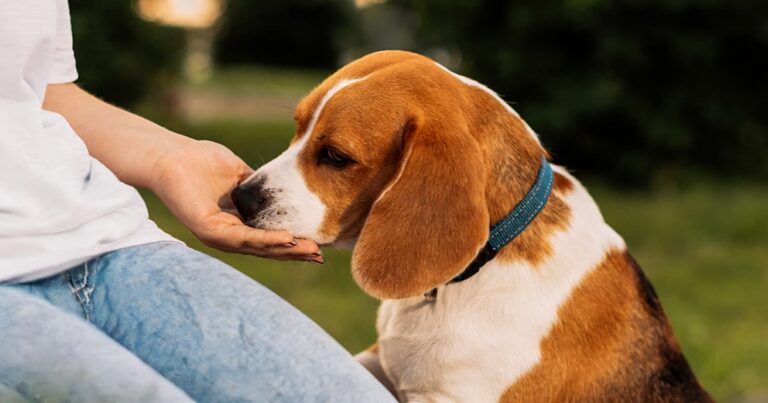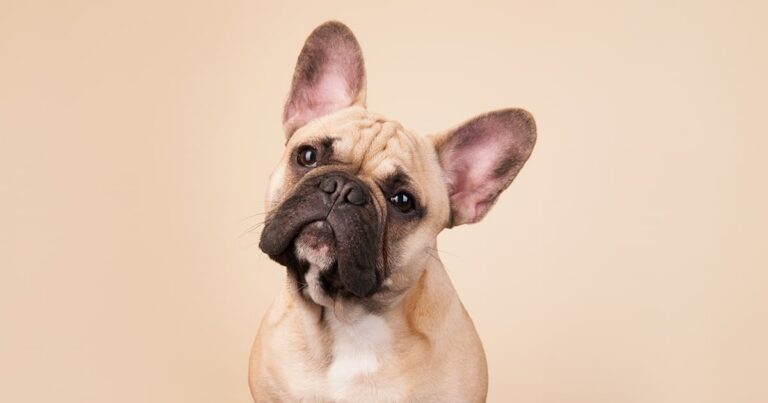

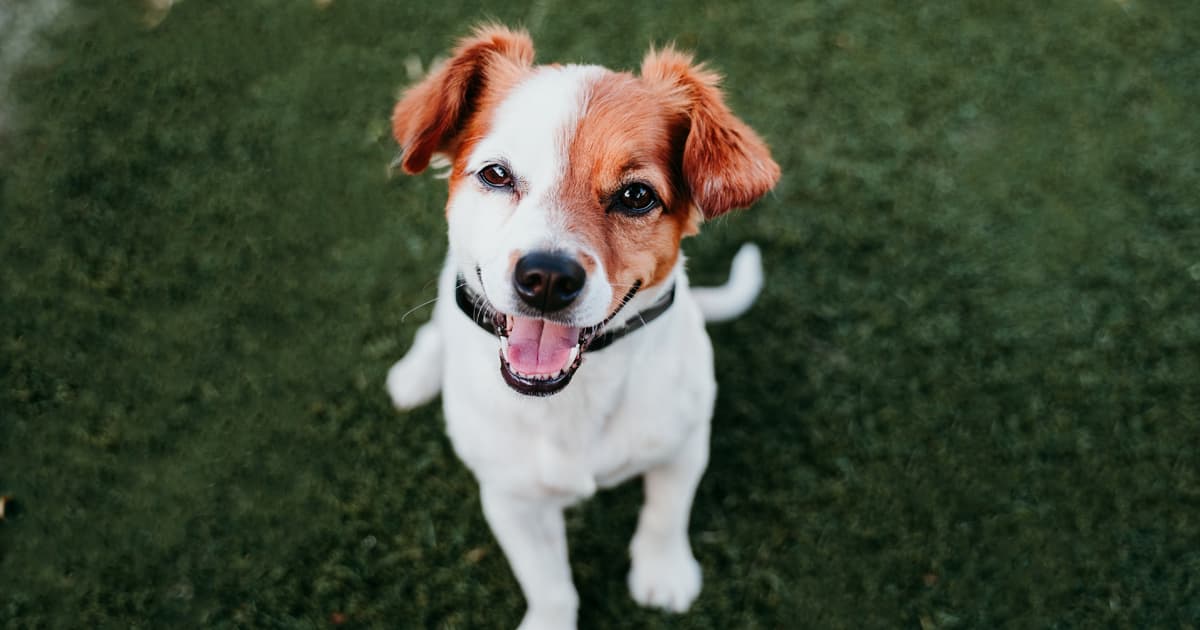
There’s nothing quite like looking over at your dog and seeing what looks like a big, happy grin. Their mouth is open, their tongue is out, and their whole face seems to say, “I love this!” But do dogs smile the same way humans do, or are we just seeing what we want to see?
It’s a question many dog owners have asked, especially when their canine companion looks relaxed, playful or proud of themselves after getting attention from their favorite person.
The answer is a little bit of both. Dogs can make facial expressions that look a lot like smiles, and those expressions can be connected to happiness, relaxation and excitement. But dogs also use their whole body to communicate, so a dog smile is only one piece of the puzzle.
Can Dogs Smile Like Humans Do?
Humans smile for many reasons. We smile when we’re happy, nervous, polite or even uncomfortable. Dogs also have a variety of facial expressions, but they don’t always mean the same thing as human smiles.
A dog’s “smile” often happens when their mouth is relaxed and slightly open, their lips are loose, and their tongue may be hanging out. Some dogs may even pull their lips back in a way that shows their teeth. While this can look like a grin, it’s important to look at the rest of your dog’s body language before deciding what they’re trying to say.
A relaxed dog smile is usually paired with soft eyes, loose body posture, a wagging tail and relaxed ears. If your dog’s face looks tense and their body is stiff, those visible teeth are probably not part of a happy expression. Instead, they are likely feeling stressed, afraid or showing signs of aggression.
Learning how to read your dog’s facial expressions can help you better understand if your dog is happy and what different looks, signals and behaviors might mean.
Why Do Dogs Smile?
Dogs may smile, or appear to smile, for several reasons. In many cases, it’s part of a relaxed or playful expression. A dog who is having fun may open their mouth, let their tongue hang out and show a loose, friendly face.
Some dogs also learn that smiling gets attention. If a dog makes a grin-like face and people laugh, praise them or give them affection, the dog may repeat the behavior. Dogs are smart, and they often notice which actions get a positive response from their humans.
There is also a type of expression sometimes called a submissive grin. This is when a dog pulls their lips back and shows their teeth in a way that may look like a smile. It can happen when a dog is trying to appear friendly, nonthreatening or appeasing. In this case, the dog may also lower their body, squint their eyes, wag their tail low or avoid direct eye contact.
That doesn’t mean every toothy grin is submissive or friendly. Showing teeth can also be a warning sign to people or other dogs to stay back, especially if the dog’s body is stiff, their ears are pinned back, their tail is still or their face looks tense.
Do Dogs Smile When They’re Happy?
Yes, dogs can appear to smile when they’re happy. A happy dog may have a loose, open mouth, relaxed lips and a soft expression. Their tail may wag in a loose, sweeping motion, and their body may look wiggly or relaxed.
You might notice this kind of smile when your dog is playing, greeting someone they love, going for a walk or getting attention from their favorite people. Some dogs also seem to smile when they’re enjoying training, food rewards or a fun interaction.
Still, happiness is usually shown through more than one sign. A dog that is truly relaxed and joyful will typically show it from nose to tail. Their face, ears, eyes, mouth, body posture and tail all work together to tell you how they’re feeling.
How Do Dogs Smile?
A smile can look different depending on the dog. Some dogs have naturally expressive faces and seem to grin often. Not all dogs show an obvious smile, but they can communicate happiness in other ways.
Signs of a relaxed, happy dog include:
- An open mouth with relaxed lips
- A tongue hanging loosely out
- Soft or squinty eyes
- Relaxed ears
- A loose, wiggly body
- A gently wagging tail
A tense or uncomfortable canine “smile” may look different. The mouth may be tight, the lips may be pulled back, the eyes may look wide or hard and the dog’s body may seem frozen or stiff. In that situation, the expression could be a sign of stress, fear or a possible threat response.
Because dogs communicate through body language, it’s helpful to pay attention to the whole situation. Where is your dog? Who is nearby? What happened right before the expression? Context can tell you a lot.
Why Do Dogs Smile When Guilty or Nervous?
Many pet owners have seen a dog make a sheepish face after getting into trouble. Maybe they got into the trash, chewed something they shouldn’t have or stole food from the counter. Their ears go back, their eyes soften, and they may appear to smile. It’s easy to think, “They know they’re guilty.”
But do dogs really feel guilty? It’s likely that dogs don’t understand guilt the same way humans do. What people often call a guilty smile may actually be a response to human body language, tone of voice or facial expression. Your dog may recognize from your body language and tone that you’re upset and respond with appeasing behavior.
That “guilty” look might include lowered body posture, a tucked tail, lip licking, yawning, looking away or showing a submissive grin. These signs may mean your dog is trying to calm the situation, not that they understand they did something wrong.
This is why positive training can be so helpful. Instead of relying on guilt or punishment, focus on teaching your dog what you want them to do and rewarding good choices.
When a Dog Smile Might Be a Warning Sign
Not every smile is friendly. If your dog is showing teeth, growling, freezing, staring hard or holding their body very still, give them space. These may be signs that your dog is uncomfortable, scared or trying to communicate a warning.
A friendly expression usually looks loose and relaxed. A warning expression often looks tense and controlled. If you’re unsure whether your dog’s behavior is playful, fearful or aggressive, talk with your veterinarian or a qualified dog behavior professional.
You should also contact your veterinarian if your dog suddenly starts making unusual facial expressions, holding their mouth differently, drooling more than normal or showing signs of pain. Dental issues, mouth pain or injury could change the way your dog’s face looks.
Understanding Your Dog’s Facial Expressions
Dogs may not smile exactly how people smile, but they absolutely have ways of showing the same emotions such as happiness, affection, excitement and comfort. A relaxed face, soft eyes, loose body posture and wagging tail can all be signs that your dog is feeling good.
So, do dogs smile? In their own way, yes. The key is to look beyond the face and pay attention to your dog’s full body language, the situation and their normal behavior. The more you understand your dog’s signals, the easier it is to recognize when they’re happy, when they need reassurance and when they may need a little more space.