

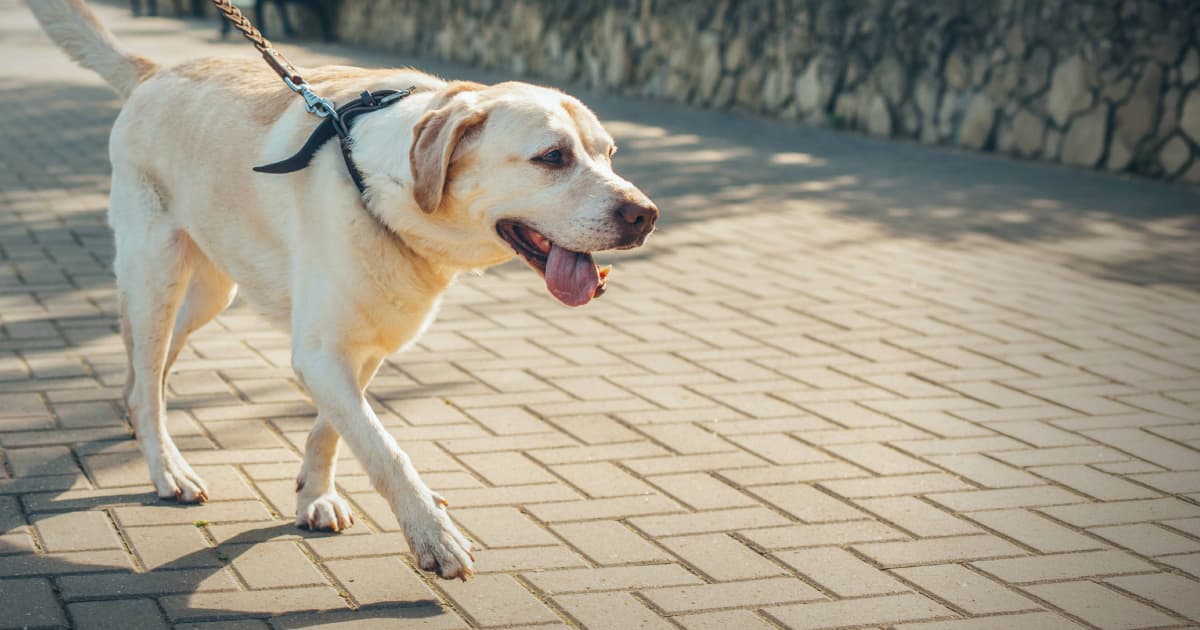
If you have ever wondered how often you should walk your dog, the answer, like a lot of pet-related questions, is “it depends.” Some dogs are happy with a couple of short walks each day while others need longer walks, more outdoor playtime and more mental stimulation to feel their best.
Age, breed, health and energy level all matter. A young, active dog usually needs a different routine than a senior dog who prefers a slower pace. Small dogs, large breeds, puppies and adult dogs can all have different exercise needs, which is why there is no one-size-fits-all rule. Still, for most dogs, regular walks support physical activity, mental health and overall well-being.
How Long Should I Walk My Dog?
How long (or how far) your dog needs to walk depends on your dog’s age, stamina, health and breed. Herding breeds and other highly active dogs may need more frequent walks and physical exercise, while lower-energy dogs may do well with a simpler schedule. A dog’s personality matters, too. Some love a dog park visit while others feel safer sticking to familiar routes.
Many adult dogs do well with a 20- to 30-minute walk once or twice a day. Some dogs need more, especially if they are younger, highly active or bred for work. Others may do well with a short walk in the morning, another in the evening and a few potty breaks throughout the day.
A few factors can help you decide what is right for your dog:
- Age: Puppies and younger dogs may have plenty of energy, but their bodies are still developing. Senior dogs and older dogs may still enjoy regular walks, though they often do better with a gentler pace.
- Breed and size: Small dogs may tire more quickly than some larger dogs, but different breeds vary widely. Some large breeds are surprisingly laid-back, while some smaller dogs are ready to go all day.
- Health: Your dog’s body, joints and overall health matter. Dogs with arthritis, injuries or other health concerns may need shorter outings. If you are unsure, follow your veterinarian’s advice.
- Weather: Hot pavement, ice and dangerous weather can all affect how long your dog can walk safely. Check the ground before heading out in the heat, and keep an eye on your dog’s paws if conditions are rough.
It is also possible to do too much. Too much exercise can leave a dog tired, sore or reluctant to go out again later. If your dog starts lagging behind, panting heavily or wanting to skip walks, it may be time to shorten the distance or slow the pace.
When Can I Take My Puppy for a Walk?
If you’re wondering when your puppy is old enough to go on walks, start by asking your vet. Your puppy’s age, vaccine schedule and local risk factors all play a role in when it is safe to begin walking in public places.
In many cases, puppies can start practicing leash skills and going on very short walks in controlled spaces before they are ready for busier sidewalks or a dog park. What matters most is making sure those early walks are safe, simple and positive.
Puppies don’t need as much exercise as adult dogs, and long walks are not always the best choice. Short sessions that combine walking, training and exposure to new sights and sounds are often more helpful. These early outings are less about distance and more about helping your puppy build confidence and learn what a walk is supposed to feel like.
As your puppy grows, you can gradually increase the length of the walk. Pay attention to how your pup responds. If they seem interested and comfortable, you can slowly build the routine. If they seem overwhelmed or tired, scale it back. If your pup struggles with walk anxiety, you can still find ways to enjoy walks together!
Do I Need to Walk My Dog Everyday?
In many cases, yes. Most dogs benefit from daily walks because regular movement supports both physical and mental well-being. Daily walks can help reduce boredom, encourage healthy habits and give your dog an outlet for energy that might otherwise show up as restlessness or unwanted behavior at home. If you don’t have time to walk your dog every day, consider hiring a dog walker to walk your furry friend for you.
That said, “every day” does not always mean the exact same walk. Some days may call for a longer outing. On busy days, a shorter walk plus backyard play, training games or puzzle toys may help round things out. The goal is to make sure your dog gets regular activity and enrichment in a way that fits their needs. However, there are also exceptions. A dog recovering from injury, dealing with illness or experiencing anxiety may need a modified routine.
What Are the Benefits of Walking a Dog?
Walking a dog is about more than exercise. A good walk helps support your dog’s health, gives them a chance to explore and provides mental stimulation through sniffing, seeing new places and taking in the world around them.
For many pet parents, a walk is one of the easiest ways to build a healthy routine. Even a short walk can help break up the day, release excess energy and give you and your dog something to look forward to. Some dogs enjoy a brisk leash walk around the block, while others prefer a slower pace with plenty of time to stop, sniff and catch up on the neighborhood gossip.
Consistency can make a big difference. Dogs tend to thrive on a predictable routine, and regular walks can help support training, leash skills and confidence. There are plenty of reasons to take your dog on regular walks, whether your goal is regular exercise, better behavior or more one-on-one time together.
What If My Dog Refuses to Walk?
If your dog is suddenly not scratching at the door, excited to go on their daily walk, it’s worth looking at the bigger picture. They may be feeling pain, fear, fatigue or discomfort. If you don’t see something obvious that’s causing the problem, like a thunderstorm that you know they’re afraid of, a sudden change in walking behavior is a good reason to go for a check up with your vet.
If they’re refusing to walk while you’re on a walk, don’t drag them by the leash. Try moving in a different direction and encouraging them to come with you using positive reinforcement. There may be something in the direction you’re going that is causing them anxiety or fear. You should be patient and give them time to feel comfortable to follow you.
At the end of the day, the best walking schedule is one that matches your dog’s body, personality and lifestyle. Some dogs want adventure and the chance to say hello to other dogs in the neighborhood. Others want a comfortable routine and a few good spots to sniff. Either way, regular walks can help keep your dog active and help support a healthier and happier life.