

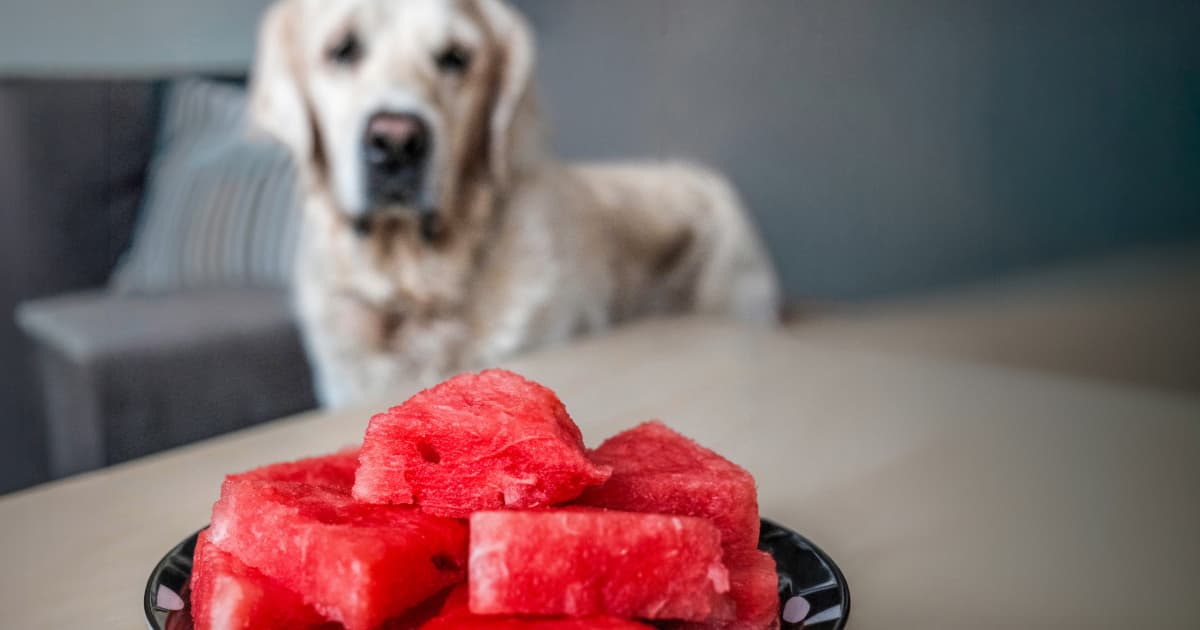
Watermelon is a delicious, sweet and healthy treat for people, so it’s natural for dog parents to wonder if it’s safe for their dogs to eat watermelon, too. The good news is that the soft, red flesh of watermelon can be fed to most dogs as an occasional treat. However, there are some important caveats to note about feeding watermelon to your dog.
Is Watermelon Good for Dogs?
Watermelon can be a good treat choice for many dogs because it is naturally low in fat and high in water. Its water content can help add variety and hydration to snack time, while its natural sweetness makes it appealing to many pets.
While watermelon contains nutrients such as vitamin C and antioxidants, dogs should get all of their daily nutrition requirements from a dog food that is complete and balanced for their life stage, size and activity level. Fruit should only be used as an occasional snack or enrichment treat, not as a major part of your dog’s diet.
As with any treat, moderation matters. Watermelon and other fruit, like strawberries, can be a healthy snack in moderation when served safely. The key is to keep portions small and make sure treats are just one small part of your dog’s overall diet.
Too much watermelon can cause stomach upset, including loose stool or diarrhea, because of the fruit’s natural sugar and water content. Start with a small amount to see how your dog handles it before offering more. If your dog has vomiting, diarrhea, lethargy or signs of discomfort after eating watermelon, stop feeding it and contact your veterinarian.
Can Dogs Eat Watermelon Rind?
No, dogs should not eat watermelon rind. The rind is tough, fibrous and difficult for dogs to digest. It may also create a choking hazard, especially for smaller dogs or dogs that tend to swallow treats quickly.
If a dog eats watermelon rind, it can cause digestive upset such as vomiting or diarrhea. In some cases, larger pieces of rind may also increase the risk of an intestinal blockage. To keep watermelon safe for your dog, always remove the green outer rind and the firm white portion before serving.
If your dog accidentally eats watermelon rind and begins vomiting, seems uncomfortable, stops eating or shows signs of distress, contact your veterinarian for guidance.
Can Dogs Eat Watermelon Seeds?
Dogs should not eat watermelon seeds. A few small seeds may not cause a problem for every dog, but seeds can be difficult to digest and may create a blockage risk, especially for small dogs.
Before giving watermelon to your dog, remove the black seeds and any visible white seeds. Seedless watermelon is often easier to prepare, but it is still a good idea to check the fruit carefully for seeds before serving. The safest way to share watermelon is to offer only plain, seedless pieces of the red flesh.
Can Puppies Eat Watermelon?
Puppies can eat small amounts of watermelon as long as they are old enough to eat solid foods and the watermelon is prepared safely. Just like adult dogs, puppies should only have the soft, red flesh of the fruit with the rind and seeds removed.
Because puppies have developing digestive systems, it is best to introduce any new food slowly. Start with a very small bite and watch for signs of an upset stomach, such as diarrhea, vomiting or changes in appetite.
Puppies also have specific nutrition needs as they grow, so treats should be limited. If you have questions about which treats are appropriate for your puppy, your veterinarian can help you choose options that fit their age, size and health needs.
How Much Watermelon Can a Dog Eat?
The right amount of watermelon depends on your dog’s size, activity level and overall health. For a small dog, one or two small bites may be appropriate, while a larger dog may be able to enjoy a few small cubes. In general, treats should make up no more than 10 percent of your dog’s daily calories. If your dog is already getting other treats throughout the day, keep watermelon portions even smaller.
Dogs with diabetes, weight concerns or other health conditions may need to avoid watermelon or eat it only with your veterinarian’s approval. Although watermelon is a healthy fruit for many dogs, it still contains natural sugar, which may not be appropriate for every pet. When in doubt, ask your veterinarian if and how much watermelon is appropriate for your dog.
How to Safely Serve Watermelon to Your Dog
If you want to share watermelon with your dog, preparation is simple: First, remove the rind completely. Next, remove the seeds. Then cut the watermelon flesh into small, bite-sized cubes that are easy for your dog to chew and swallow.
Serve watermelon plain, with no added sugar, salt, seasonings or sweeteners. Avoid watermelon-flavored candy, gum, popsicles, juice or desserts, as these products may contain ingredients that are unsafe for dogs. Xylitol, an artificial sweetener found in some sugar-free products, is especially dangerous for dogs and should always be avoided.
You can also freeze small pieces of watermelon for a cool treat on warm days. Just make sure the pieces are small enough for your dog to eat safely. For dogs that tend to gulp food, smaller pieces are the safest option.
Can Dogs Eat Watermelon with Other Foods?
Plain watermelon is best for most dogs. Some pet parents like to mix fruit with yogurt or other ingredients, but this can add extra calories and may upset some dogs’ stomachs.
If you want to pair watermelon with another dog-safe food, choose simple ingredients and avoid anything sweetened, flavored or heavily processed. Some yogurts, desserts and frozen treats may contain added sugar or xylitol, so always read the ingredient list carefully. For most dogs, a few plain pieces of watermelon are the safest and simplest choice.
The Bottom Line on Watermelon and Dogs
So, can dogs eat watermelon? Yes, many dogs can enjoy watermelon as a safe, refreshing treat when it is served the right way. Remove the rind and seeds, cut the fruit into small pieces and offer it in moderation.
Watermelon can add a little variety to your dog’s treat routine, but it should never replace a complete and balanced diet. Keep portions small, avoid sweetened watermelon products and check with your veterinarian if your dog has specific health concerns.
When prepared safely, watermelon can be a simple summer snack that you and your dog can feel good about.