
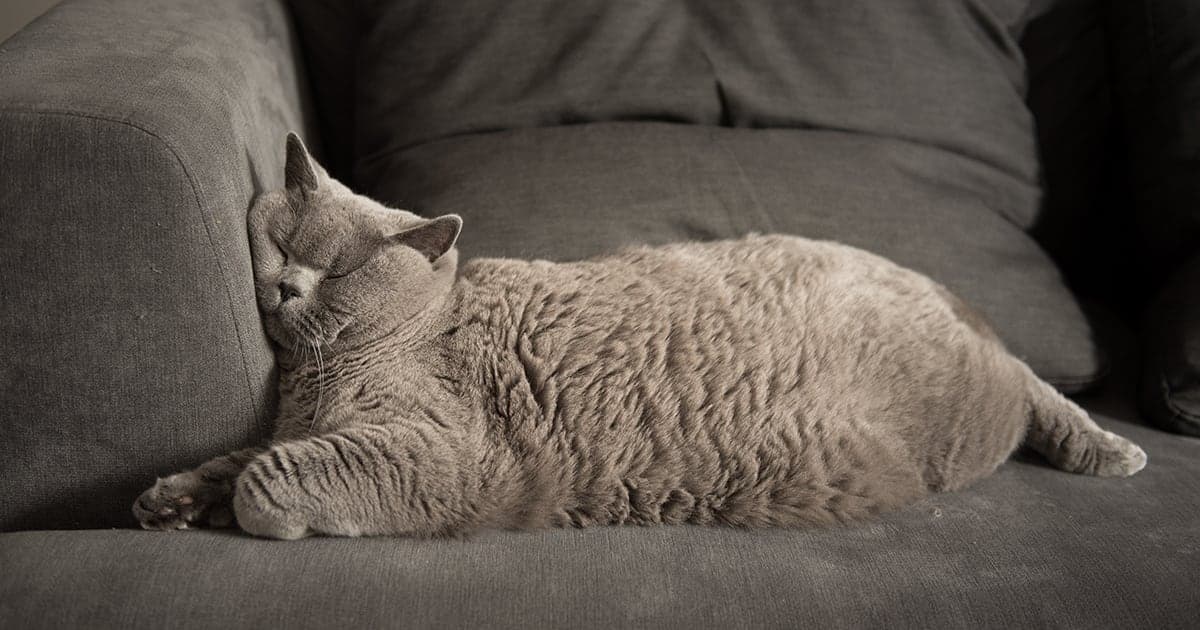
If your cat is a bit fluffy around the middle, cutting calories is only one thing they need to do to help shed excess body weight. Exercise can be just as important, not only for weight loss but for overall wellness, to help your cat stay healthy both physically and mentally.
Easier said than done, you might think, considering the average cat spends 15 hours a day sleeping. Fortunately, there are some simple things you can do to get your couch potato off the couch.
How to Exercise Your Cat
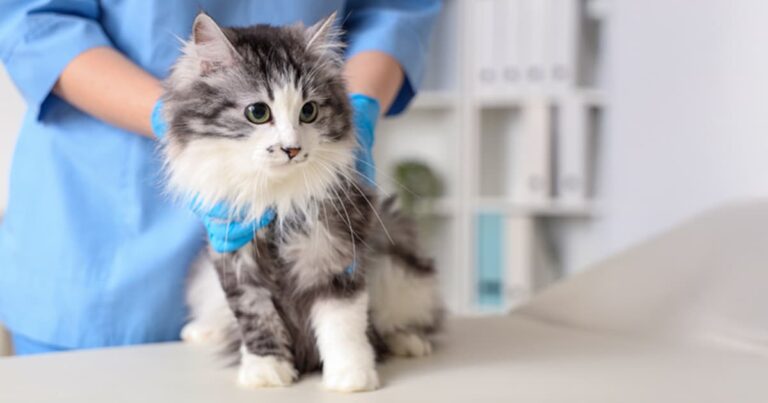
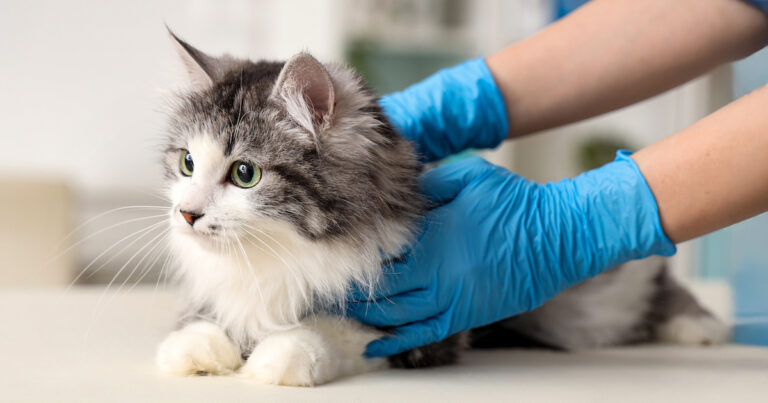
Before starting an exercise program, ask your veterinarian to give your cat a checkup and make sure there aren’t any signs of an underlying health condition, like arthritis. Serious medical conditions may make some kinds of exercise painful or difficult. Your vet can recommend an exercise plan that is right for your cat in those circumstances.
If your cat hasn’t been very active up to this point, you’ll want to keep play sessions short at the start. You can also use this time to pay attention to the type of activities your cat finds interesting. Start with one or two short, 5-minute sessions a day, then gradually work up to longer or more frequent workouts. Think of ways to motivate your cat’s natural instincts to explore, hunt prey and climb.
Putting the “Active” in Cat Activities
Cats in the wild work for their food, taking down small prey several times a day. So, their natural feeding behavior is to eat several small meals throughout the day, instead of one or two big meals. Most cats respond with interest to activities that look like hunting. You can use that natural drive to help your cat exercise and start a new routine — with the bonus that you’re adding mental stimulation to the menu.
Here are some ideas to boost your cat’s activity:
- Designate a scratching post. As well as changing the focus from furniture and helping maintain Kitty’s claws, the activity helps them burn calories.
- Get your cat climbing. Multi-level cat trees and perches are a great way to get your cat to stretch, jump and move. Place kibble on different levels to start them exploring.
- Build an outdoor “catio,” a cat patio. This is an outdoor enclosure that gives your cat the advantages of being outdoors but keeps them safe from cars, dogs and predators. Placing a cat tree inside the catio will encourage your cat to climb and stretch while it watches the wildlife in your yard. (An indoor cat tree will offer the same benefits.)
- Teach your cat to use an exercise wheel. Like a hamster wheel, this toy could have your cat logging miles a day. Start by wedging something on either side of the cat wheel to prevent it from moving. Then, place treats on the wheel to attract your cat. Eventually, remove the objects holding it in place and balance the wheel with your hand, allowing a small amount of movement, as your cat is standing on the wheel. Gradually entice your cat to walk on the wheel by dangling a feather toy or treat in front of them.
- Go for a walk. Many cats can be trained to go for a walk, just like a dog. Start by placing your cat in a harness, and let them wear it around the house until it’s comfortable. Then add a leash and use treats to entice your cat to walk a bit around the house. After a gradual introduction to walking on a leash, you can make your way outdoors — as long as you feel confident that you have control of your cat. Providing regular playtime with toys that encourage physical stimulation can help your cat burn calories and shed excess weight effectively.
Cat Exercise Just Means Playtime!
There are lots of ways to exercise your cat that will seem more like play than work.
- Engage your cat’s prey drive with a laser pointer or pen light. A fast-moving spot of light can give your cat the thrill of the chase before it even realizes it’s moving. Just make sure there’s a reward at the end of the game, to eliminate the frustration of never actually catching something. And never shine the laser directly in your cat’s eye.
- Stock up the toy chest. Cats love toys that wiggle or move, and they’re happy to bat around balls. This doesn’t have to be a big budget line: you can get some active play started with ping-pong balls or even balled-up pieces of paper. If you don’t have a cardboard box handy, see how your feline friend responds to empty paper bags. Rotate the cat toys periodically to keep your cat from getting bored. Make sure there’s nothing on the toys that can be chewed and inadvertently swallowed.
- Create an obstacle course. Use feathers attached to a wand to encourage your cat to weave between your legs, walk in a circle or jump onto the couch or over other objects.
- Consider adopting a playmate. Another kitty may be just what the exercise coach ordered. Multiple cats can play hide-and-seek, chase each other or just wrestle on the rug. They may have so much fun they won’t even know they’re exercising.
Lots of these tips involve using treats to get the cat interested in an activity or to reward them for interactive play. Just remember that these treats count as part of your feline companion’s total calorie intake. For an overweight cat, be on the lookout for low-calorie treats or allocate some of the portion of their recommended diet for treats.
How Do I Help My Cat Lose Weight?
In addition to evaluating your cat’s diet and determining their healthy weight, you can take a different approach to mealtime by making it more interesting and active:
- Make your cat move for food. Try putting the food bowl upstairs. Or, instead of pouring an entire meal into a bowl, toss one kibble at a time around the room to see if your cat will run after it. Divide up the usual amount of food and hide it in different areas to encourage your cat to walk around the house. If your cat prefers canned food, lure them around the house with a spoonful at a time.
- Feed kibble in puzzle toys. These toys require your cat to manipulate the feeder with their paws to receive a piece of kibble, changing mealtime from a sedentary event to an activity that challenges your cat physically and mentally. By only dispensing one morsel at a time, these feeders help cats eat more slowly, so they’re more likely to feel satiated before they eat the whole meal.
Of course, exercise is just one part of good weight management. Monitor their food intake and be careful not to overfeed or over-treat your cat. If you’re concerned about your cat’s weight, and the negative impacts obesity can have on their health, talk to your veterinarian about an appropriate weight loss program for them.