
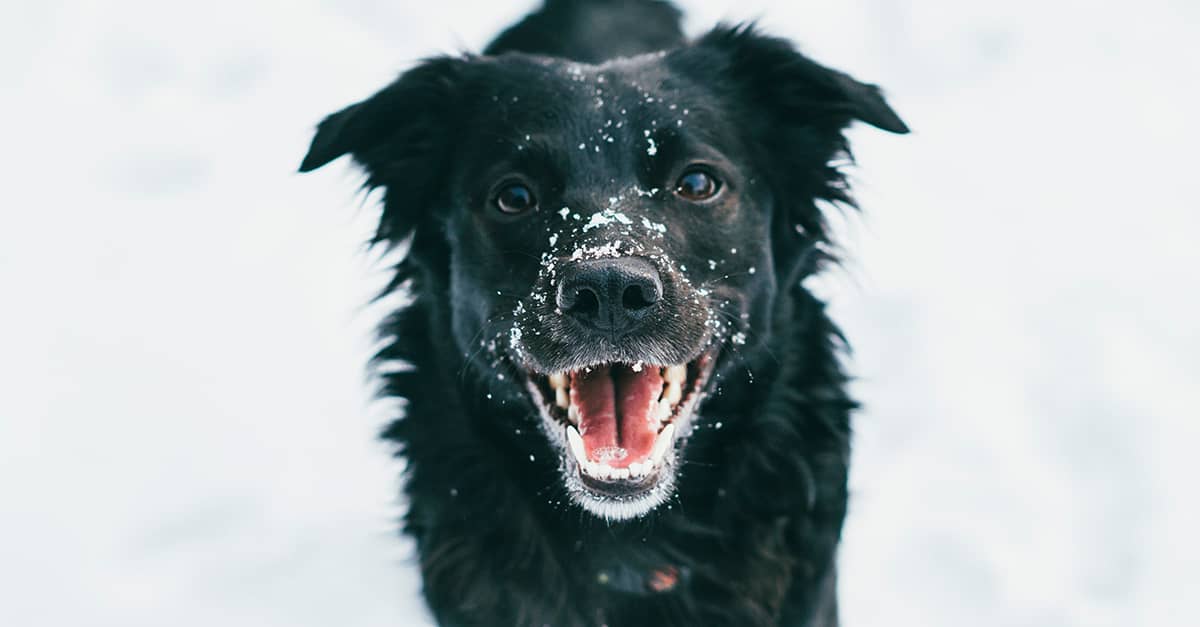
You meant to give your dog a loving pat on the head. But after crossing the carpet in socks, your sweet pat results in a spark of static electricity instead. Oops! It’s that same cold, dry air that made you a walking electrical current in the winter that can make your skin — and your dog’s skin — dry, flaky and itchy.
Do Dogs Get Dry Skin in the Winter?
Yes! Cold air holds less moisture than warm air, so in the winter months, there’s typically less water vapor in the air. As the temperature drops and home heating systems kick on, the resulting dry air can rob your dog’s skin of essential moisture and cause dry, flaky, chapped skin. Dry skin can be just as irritating, itchy and uncomfortable for our dogs as it is for us.
Why Does My Dog Have Dandruff in Cold Weather?
Simply put, dandruff is dry skin cells that have flaked off of the skin’s surface and are visible either on the skin, in your dog’s fur or anywhere your dog tends to frequent. Dandruff occurs naturally as new skin cells replace old ones which are then shed into the environment. During winter months, dry skin might not seem like a big deal — although it can be unsightly and very uncomfortable. However, a buildup of dandruff can be a sign of a more serious health problem.
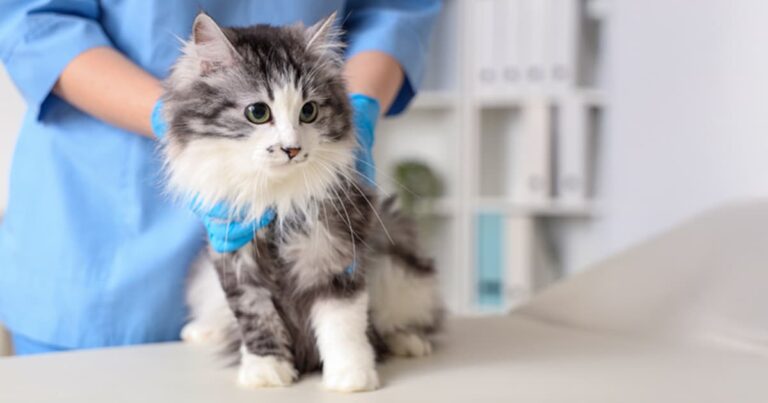
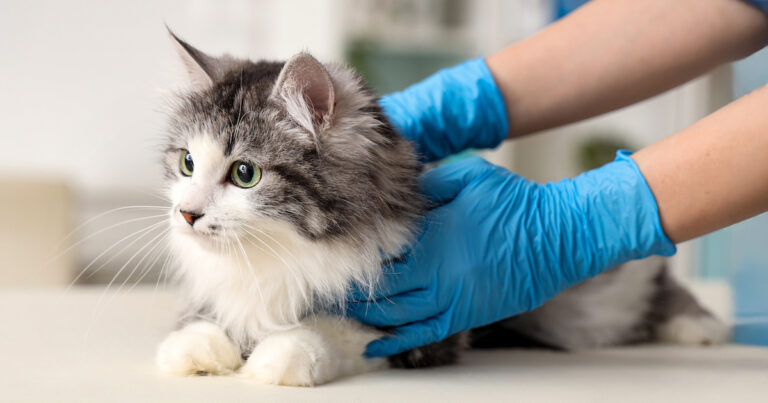
Even if you suspect that your dog’s dandruff is caused by the dry winter weather, it’s a good idea to talk with your veterinarian in order to rule out more serious issues. And if you notice your dog’s dry skin is accompanied by other troubling signs or symptoms, a trip to the veterinary clinic is definitely necessary.
Rule Out Other Health Conditions If Your Dog Has Dry Skin in Winter
While seasonal conditions can contribute to dry skin, the environment may not be the cause. Dogs with dry, flaky, itchy skin could have an underlying health condition, including:
- Allergies — Dogs may be allergic to environmental allergens, food, fleas (flea allergy dermatitis) or simply something that comes in contact with the skin, such as a new detergent that was used to wash their bed.
- Parasites — Mites and fleas can cause irritation and dry, flaky skin.
- Bacterial and fungal skin infections — Dogs with yeast, bacteria or ringworm infections may share the same signs. In some cases, there may be an unusual odor.
- Endocrine or immune-mediated diseases and some types of cancer — Dry skin may be a sign of hypothyroidism (low thyroid hormone) or hyperadrenocorticism (Cushing’s disease, or high adrenal hormones), and hair loss can be common.
- Nutritional deficiencies — Feeding a diet that’s not nutritionally complete and balanced for your dog’s life stage could result in skin issues. Certain breeds, such as Siberian huskies and Alaskan malamutes, can also suffer from zinc-responsive dermatosis.
- Harsh shampoos and frequent bathing — Because dogs have a different skin pH than humans, you should never use human shampoos on dogs.
In these cases, the dry skin will typically resolve once the underlying causes are treated. That’s why, if your dog has dry skin, it’s worth a trip to your vet to make sure there isn’t another more serious condition involved.
How to Help Dogs with Dry Skin in Winter
Once your vet has confirmed that your dog’s dry skin and itching and scratching are not due to an underlying health condition, there are a few things you can do to help manage your dog’s skin and coat during cold weather:
- Brush your dog at least once or twice daily to remove skin flakes and loose hair. Not only will brushing help your dog feel good and keep their coat shiny, but it also helps stimulate and distribute the skin’s natural oils that form a protective, moisturizing barrier.
- Bathe your dog less frequently during winter months since bathing can remove the skin’s natural oil and valuable moisture. If a bath is necessary, use a moisturizing shampoo and conditioner made specifically for dogs. Lukewarm water instead of hot water cleans as effectively but doesn’t dry out the skin as much.
- Run a humidifier in your home to add some much-needed moisture into the air.
- Feed your dog a quality, nutritionally balanced food, preferably one with proper levels of essential omega-3 and omega-6 fatty acids, such as Diamond CARE Sensitive Skin Formula for Adult Dogs. Both omega-3 and omega-6 fatty acids help maintain healthy skin and may benefit dogs with skin and coat problems. Be sure to talk with your veterinarian before switching your dog’s food.
- Hydration is key, so provide plenty of fresh, clean water. Even mild dehydration can contribute to skin flakiness and dryness.
- To encourage greater water intake during winter months, consider adding warm water to your dog’s dry food or adding a splash of low-sodium broth to the water dish.
- Keep your dog on year-round parasite preventives. These medications can help prevent external and internal parasites that can impact your dog’s health.
- Use topical therapies. Your veterinarian can help you select the right shampoo, conditioner, spray or spot-on for your dog, and advise you on the best bathing frequency. If using a medicated shampoo, work it into the skin, especially in the armpits, groin area and between the toes, then let it soak for about 10 minutes before rinsing. If necessary, follow with a moisturizing conditioner.
Seasonal dry skin can be a concern in dogs just as in people. Changes in grooming practices, adding moisture to indoor air and quality dog food can help bring relief to your dog and help reduce the effects of winter’s dry air on your dog’s skin and coat. If you have any concerns, consult your veterinarian.