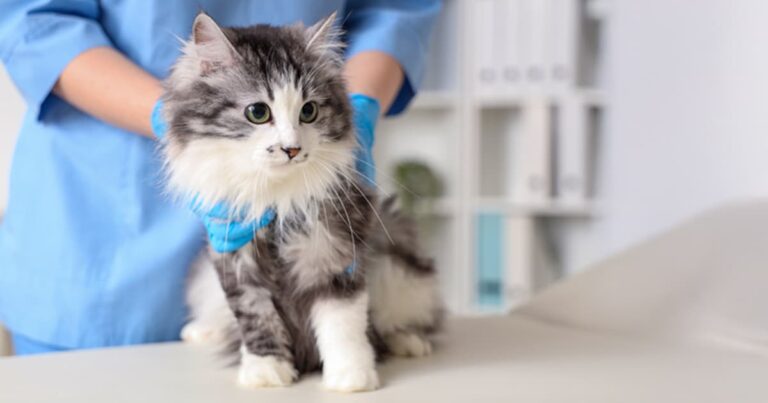

So you’ve just adopted a new pet cat and you’ve decided to have your little kitten or adult cat fixed. But do you know how old your new feline friend should be when that surgery is performed? If you’re not sure, you’re not alone.
Surveys of pet owners conducted for PetSmart Charities found that nearly three out of four owners thought the appropriate age for spaying or neutering cats was 6 months old, 9 months old or later, or they simply didn’t know at all.
Part of the reason for the confusion has been inconsistent recommendations. Historically, many veterinarians recommended spaying and neutering both cats and dogs around 6 months of age. However, current cat-specific recommendations generally support spaying or neutering by 5 months of age. Animal shelters and rescue groups often have kittens spayed or neutered as early as 6 to 14 weeks of age.
So what’s best for your cat? Well, let’s start with discussing age.
How old does a kitten have to be to get fixed?
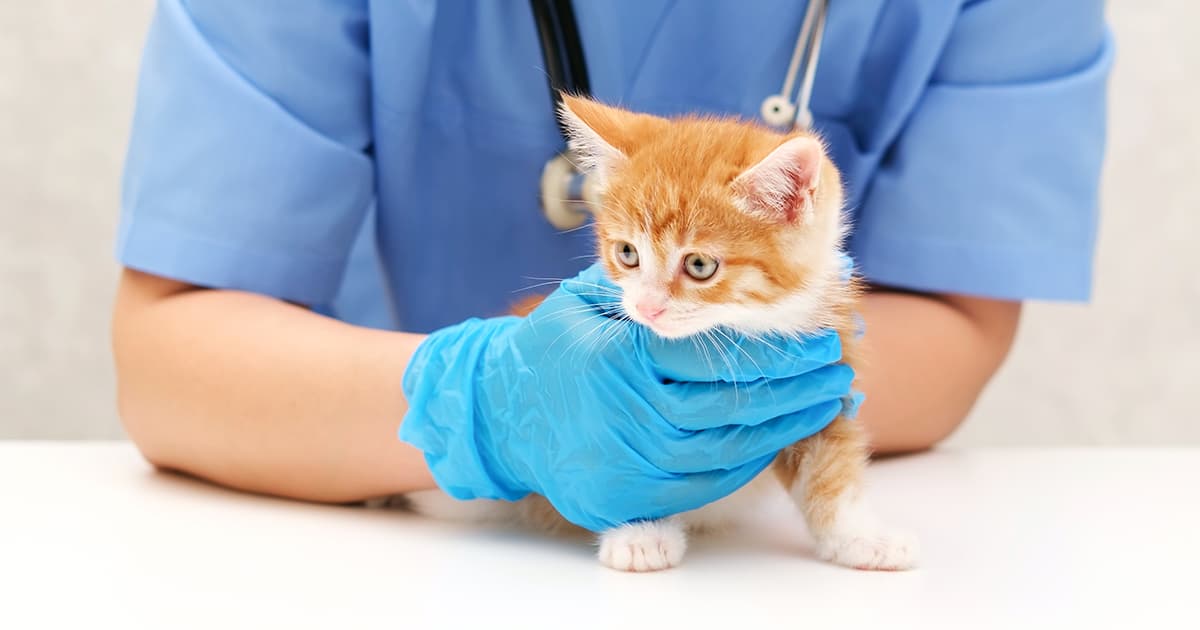
Generally speaking, kittens can be safely neutered as early as 8 weeks old, or when they weigh 2 pounds.
The American Veterinary Medical Association, along with many other veterinary organizations, supports spaying/neutering by 5 months of age, before most cats reach sexual maturity. While most cats reach sexual maturity at about 6 months old, some female cats can experience their first “heat” (or “estrus” in veterinary-speak) at 5 months of age and even as early as 4 months. By spaying female cats by the time they reach 5 months old, nearly all heat cycles and the many issues associated with them are prevented.
Unfortunately, less than 30 percent of cat owners are getting their cats fixed before they reach 5 months of age, according to the United Spay Alliance. This means that many owners end up with a surprise litter of kittens because they were waiting for the “right age” to have their female cat spayed or male cat neutered.
When should I neuter my cat?
Although current recommendations suggest spaying and neutering by 5 months, the ideal age would be before your cat reaches sexual maturity. Since this can vary from cat to cat, it is best to ask your veterinarian for their recommendation. Some veterinarians and many shelters perform pediatric neutering in healthy kittens as young as 6–8 weeks, while private veterinary practices tend to perform the procedure later.
If you choose to delay the decision rather than getting it done at an early age, you could end up facing some unwanted consequences. If owners wait until their male cats reach sexual maturity before getting them fixed, the cats can go on to exhibit a number of different hormone-related behaviors.
What are the health benefits of neutering a cat?
Unneutered male cats can start to display many unwanted behaviors ranging from urine spraying, marking territory and other behaviors often spurred on by sexual competition. Neutering males can reduce hormone-driven behaviors such as roaming, fighting and aggression, which indirectly reduce the risk of bite wounds, abscesses and infectious diseases.
Many of these hormone-related behaviors can persist even after getting your cat fixed if you’ve waited until the cat has reached sexual maturity. Urine spraying and marking, howling and aggression can often be avoided if cats are neutered before they’re old enough to breed. Therefore, neutering can keep male cats in homes with their owners and out of shelters.
What are the health benefits of spaying a cat?
Recent research shows that healthy cats that are spayed beforethey are 6 months old have a 91 percent lower risk of having mammary cancer, the third most common type of cancer in cats. The health picture for those cats that do develop mammary cancer is grim. About 85 percent of mammary gland tumors are malignant (aka cancerous).
Spaying also nearly eliminates the risk of cats developing a potentially life-threatening uterine infection known as pyometra.
Why is it so important to get my cat fixed?
While some veterinarians may disagree on the best age to spay or neuter your cat, there’s little debate over the importance of getting your cat fixed. Making the decision to spay or neuter your cat is one of the most responsible decisions one can make as a pet owner. Whether it’s done before the cat reaches sexual maturity or after, fixing your cat comes with a myriad of behavioral benefits while also helping to reduce the issues related to pet overpopulation. So talk to your veterinarian early about their spay and neuter procedures.