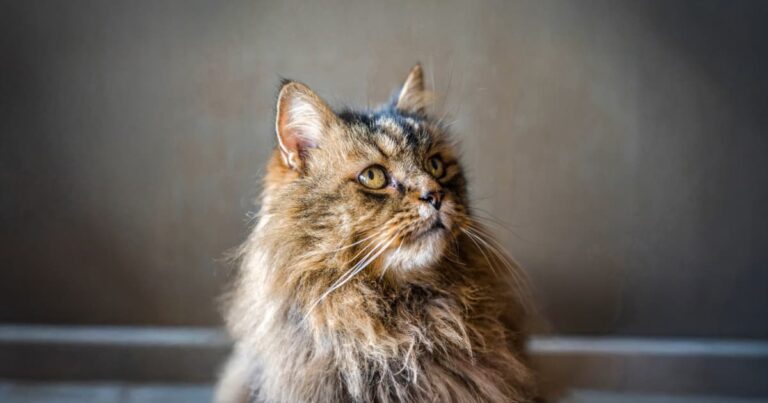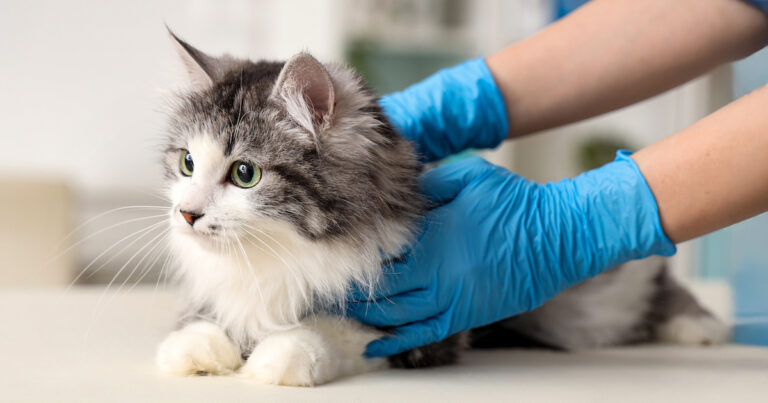


If you’ve noticed your cat developing circular bald patches or rough, scaly skin, you may be looking at a case of ringworm. Despite the name, ringworm isn’t caused by a worm — it’s a contagious fungal infection that affects a cat’s skin, fur and sometimes nails. It’s one of the most common skin conditions in cats, but the good news is that with proper treatment for ringworm in cats and good hygiene, it’s completely manageable.
An Overview of Cat Ringworm
Ringworm is caused by a group of fungi called dermatophytes, which feed on keratin, the protein that makes up hair, skin and nails. These microscopic fungal organisms can live on the skin surface and hair shafts of an infected animal, leading to itching, patchy hair loss and inflamed patches. Because ringworm fungus is contagious, it can spread easily among animals and, in some cases, to humans.
Cats of any age can develop ringworm, but kittens, senior cats and cats with weakened immune systems are especially vulnerable. Immune suppression can increase the risk of ringworm infection, especially in cats with feline leukemia virus (FeLV). The infection is rarely life-threatening, but it requires patience and consistent, appropriate treatment to fully eliminate it, because environmental contamination with fungal spores can persist for months on surfaces like furniture, bedding, brushes and toys.
How Do Cats Get Ringworm?
Cats usually contract ringworm through direct contact with an infected animal or contaminated surface. The fungus responsible for feline ringworm infection is incredibly hardy and can remain infectious for up to 18 months in carpets, bedding or grooming tools.
Common sources of infection include:
- Other infected cats, dogs or small animals
- Shared brushes, blankets or toys
- Contaminated soil or surfaces
- Shelters, boarding facilities or multi-pet homes
Outdoor cats or those living in warm, humid environments are more likely to encounter the fungi that cause ringworm. Younger cats and long-haired breeds may also be at higher risk since their dense coats can trap spores more easily.
Keeping your cat’s living space clean, regularly washing bedding and disinfecting grooming tools can help reduce the risk of infection.
How Is Ringworm Passed from Cats to Humans?
Ringworm is a zoonotic infection, meaning it can be transmitted between an infected animal and humans. People who are immunocompromised, very young or elderly are more susceptible. If your cat has been diagnosed with ringworm, it’s important to practice strict hygiene while they recover:
- Wash your hands thoroughly after touching your cat or cleaning their bedding.
- Disinfect commonly used surfaces and vacuum carpets regularly.
- Limit close snuggling until treatment is underway and your veterinarian says it’s safe.
While ringworm in humans typically appears as a red, circular rash on the skin, it’s easily treated with topical antifungal medication. Still, preventing the spread through cleanliness and quick veterinary intervention is key.
What Does a Ringworm Infection Look Like on a Cat?
Ringworm often causes circular patches of hair loss with a red or gray, scaly center. These skin lesions can appear anywhere on the body but are most common on the head, ears, tail and forelimbs.
Typical signs include:
- Hairless, crusty skin or flaky areas on the skin
- Red or inflamed rings
- Brittle, broken hairs around affected spots
- Small pustules or dandruff-like flakes
- Itching or increased grooming in localized areas
In some cases, cats show no visible skin lesions at all but can still spread the infection. If you suspect ringworm, schedule a veterinary exam right away rather than trying over-the-counter remedies, as they may not be effective for fungal infections.
Signs of Ringworm in Cats
Because ringworm symptoms can vary, it’s important to look for subtle behavioral and physical changes. Early signs include mild itching, dull fur or isolated hair loss that gradually spreads.
Veterinarians use several methods to confirm a diagnosis:
- Wood’s lamp examination: Some fungi fluoresce green under ultraviolet light.
- Microscopic examination: Hairs and skin flakes are examined to identify fungal spores.
- Fungal culture or PCR testing of fungal DNA: The most accurate way to confirm infection, though ringworm cultures can take several days for results.
Prompt treatment not only helps your cat heal faster but also reduces the risk of spreading ringworm to other pets or people in the household.
How to Treat Ringworm in Cats
Treating ringworm in cats requires both medical care and environmental cleanup. Your veterinarian will likely recommend one or more of the following diagnostic tests and treatments:
1. Topical Therapy
Antifungal shampoos, creams or dips (such as lime sulfur dips or miconazole shampoos) are used to kill fungal spores on the skin’s surface. For widespread infections, your vet may advise shaving long hair to improve topical treatment and reduce contamination.
2. Oral Medication
Cats with more advanced cases may need oral antifungal medications like itraconazole, terbinafine or griseofulvin. These help attack the infection from within and are typically given for six to eight weeks, sometimes longer depending on test results.
3. Environmental Disinfection
Fungal spores can cling to hair, furniture and dust, so environmental management is essential. Wash bedding, blankets and soft toys in hot water, disinfect hard surfaces with a diluted bleach solution, and vacuum daily to remove spores.
Even after visible ringworm lesions heal, your veterinarian will usually recommend continuing treatment until follow-up cultures confirm the infection is completely gone.
Supporting your cat’s immune system during recovery is also important. A balanced, high-quality diet provides the nutrients cats need for strong skin health and resilience against infection.
The Bottom Line: It’s Important to Get Ringworm Diagnosed
Ringworm in cats may sound alarming, but it’s a common, treatable, fungal infection. With proper care, cleaning and nutrition, your cat can make a full recovery and return to their playful, healthy self. Remember, your veterinarian is your best resource for diagnosis and treatment, and maintaining a clean, stress-free environment supports both your cat’s recovery and your family’s health.