
A pet-related tidbit discovered on a website or a tip from a coworker can sometimes lead you in the wrong direction — unintentionally, of course. In this article, we have the real facts about giving allergy medicine to dogs. However, you should always contact your veterinarian before giving your dog any medication, whether an over-the-counter or prescription drug. Some human medicines can be given routinely to pets — at a veterinarian’s direction — but other drugs can be very toxic.
Is It Safe to Give Benadryl to My Dog?
Plain Benadryl (diphenhydramine) is generally safe for dogs, but other versions may not be, which is why it’s important to talk to your vet first. Your veterinarian may recommend giving your dog Benadryl (diphenhydramine), but giving Benadryl-D (diphenhydramine and pseudoephedrine), may result in a trip to the veterinary hospital for medical attention.
What Does Benadryl Do?
Benadryl, or diphenhydramine, belongs to a group of medications called antihistamines. They work by blocking histamine in the body, the chemical responsible for many allergy symptoms. In dogs, antihistamines can help with mild allergic reactions such as insect bites or stings, as well as treat motion sickness.
Because Benadryl commonly causes drowsiness, some dogs may appear calmer after receiving it. However, it is not considered a true anti-anxiety medication and may not effectively reduce fear or anxiety. It’s best to talk to your veterinarian to determine and treat what’s causing the underlying anxiety. For some dogs, administering Benadryl to calm them may have the opposite reaction, potentially making them more anxious.
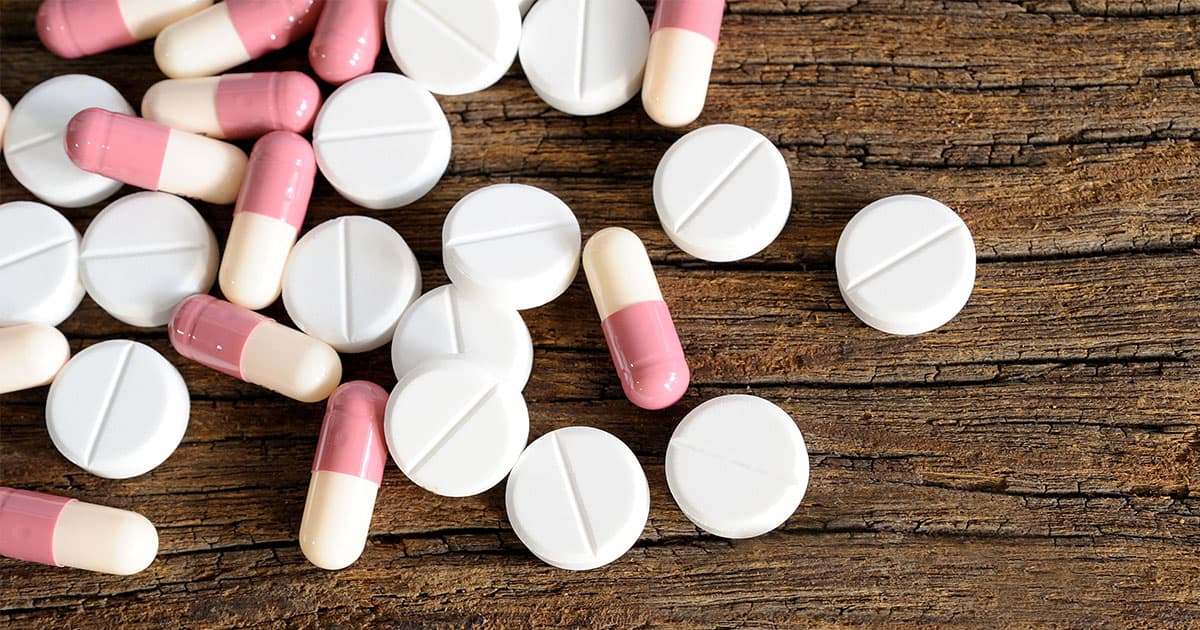
Benadryl is available in several forms, including Benadryl tablets, Benadryl chewable tablets, liquid Benadryl, children’s liquid Benadryl and Liqui-Gels. Liquid Benadryl may be easier to give to small dogs or dogs that resist taking pills. It’s important to use caution, because different formulations contain different concentrations of diphenhydramine and may include additional ingredients, like the artificial sweetener xylitol, that are not safe for dogs. Always check the label carefully and confirm the correct product and dose with your vet before administering it.
Many pet parents believe Benadryl is good for skin allergies, however, this is incorrect. Histamine is not considered the primary driver of itching in most dogs with chronic allergic skin disease. Multiple inflammatory mediators and immune pathways contribute to itching, which helps explain why antihistamines such as Benadryl often provide only limited or short-term relief. Some of the most common dog allergies may best be treated with allergy shots, medications and topical products, nutritional support and strategies to reduce exposure to the allergen.
How Much Benadryl Can I Give My Dog?
Benadryl dosage for dogs is typically based on your dog’s weight, but pet owners should always confirm the correct amount with their veterinarian before giving it to their dog. Pets often require different doses of medication than those on the label.
Your veterinarian can tell you exactly how much to give and how often based on your dog’s size, age, health conditions, breed and symptoms. Giving more than the recommended dose can cause unwanted side effects, while too little may not effectively relieve your dog’s symptoms.
What Are Some Side Effects of Benadryl?
As a pet parent, it’s important to use Benadryl cautiously, as it can cause side effects in dogs. Most side effects appear within a few hours after the medication is given, although timing may vary among individual dogs. Monitoring your dog to see how the medication affects them is important. Common side effects may include drowsiness, hypersalivation, increased heart rate, dry mouth and rapid breathing. Other side effects that are less common are digestive upsets, such as diarrhea or vomiting and increased or decreased appetite. It is crucial to monitor your dog for any adverse reactions and consult your vet if necessary.
Signs of Benadryl overdose may include severe lethargy, agitation, tremors, seizures or collapse. If you think your dog received too much Benadryl, contact your veterinarian or an emergency veterinary hospital immediately.
Is Benadryl Safe for Dogs with Underlying Health Conditions?
Before giving your dog Benadryl, talk with your veterinarian if your dog has any underlying health conditions. Benadryl may not be recommended for dogs with certain health conditions, such as heart disease, elevated thyroid levels, difficulty urinating or bladder problems, glaucoma, high blood pressure, seizure disorders or for dogs that are pregnant or nursing. Your veterinarian can help determine whether taking Benadryl is safe for your dog based on their overall health and medical history.
Benadryl may also interact with other prescription medications, including sedatives, pain medications, anxiety medications and some antidepressants. Always let your vet know about any other medications, supplements or herbal products your dog is taking.
Can I Give My Dog Claritin®?
Claritin, or loratadine, is another antihistamine commonly used to treat allergy symptoms and allergic reactions in humans. It functions similarly to Benadryl by blocking the effects of histamine. However, Claritin is less likely to cause drowsiness, which helps your dog maintain their normal energy levels.
Some veterinarians may recommend Claritin for certain dogs, although responses vary and antihistamines are generally less effective for chronic allergic skin disease than newer targeted therapies. It is crucial to use only plain Claritin (loratadine) and to avoid combination products that contain decongestants, such as Claritin-D, as these can be toxic to pets.
As a pet parent, it’s natural to wonder whether Benadryl is safe for your dog. While it can be helpful in certain situations, the safest approach is always to ask your vet’s advice before giving any medication. Following your vet’s guidance on the correct product and appropriate dose will help keep your dog comfortable, healthy and safe.