
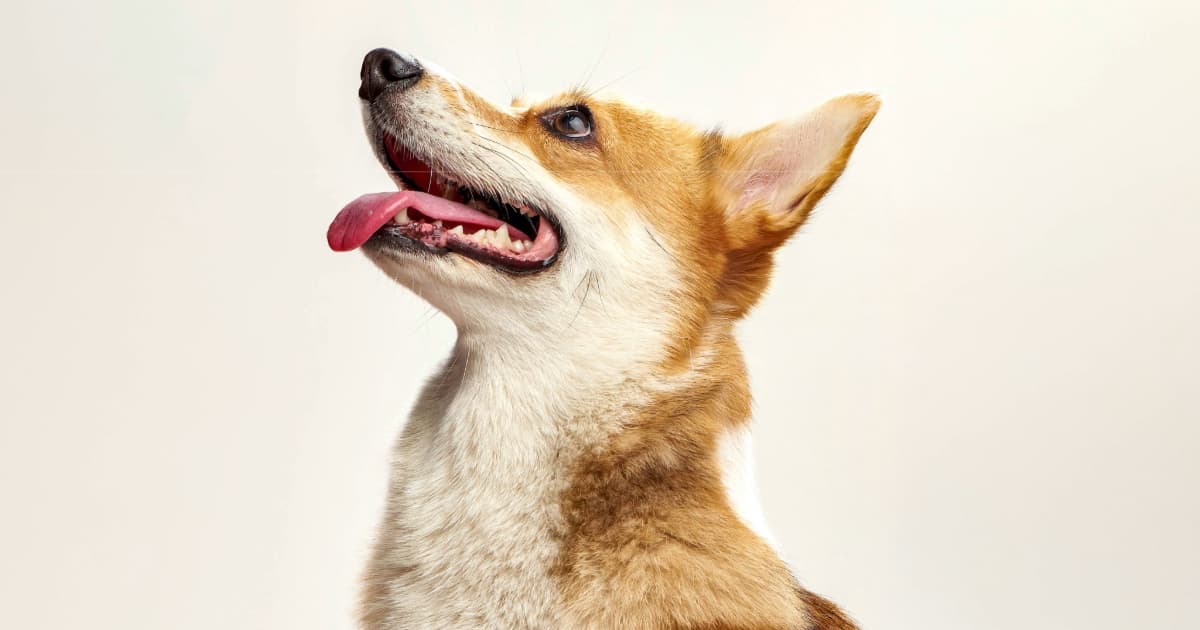
There’s nothing better than sweet kisses from your favorite dog. However, sometimes those kisses aren’t so sweet. When your furry friend has smelly dog breath it can make you wonder, “Why does my dog’s breath stink so bad?” Let’s explore some of the causes and discuss ways to improve your dog’s oral health.
Oral Health Issues May Cause Bad Breath in Dogs
Poor oral health, in particular periodontal disease, is the most common cause of a dog’s bad breath. When plaque builds up on a dog’s teeth and hardens into tartar, it can trap bacteria and food particles that create unpleasant smells. Over time, this buildup can contribute to tooth decay and irritate the gums, sometimes leading to gum (or periodontal) disease.
As these issues progress, bacteria accumulate around the teeth and along the gum line, which can worsen the odor coming from a dog’s mouth. Because the mouth contains many surfaces where bacteria can grow, poor oral hygiene involving the teeth, tartar buildup, tooth decay and gum disease can all play a major role in causing bad breath in dogs.
There are other oral health issues that you need to be aware of, such as broken or chipped teeth. There are also oral infections from mouth wounds that occur from chewing sharp objects, such as a stick or bone that gets stuck between their teeth or in the top of their mouth that could affect your dog’s oral health. Make sure you check your dog’s teeth regularly, or if you suspect an oral infection, visit your veterinarian for an accurate diagnosis so that it does not affect your pup’s overall health.
Diet is Another Cause of Bad Breath in Dogs
A dog’s diet can also contribute to their stinky breath. Certain foods naturally leave strong odors behind and food residue left behind after meals, particularly from sticky treats or wet food, can also temporarily cause unpleasant breath. Or, they may eat things they find outside, such as trash, spoiled food, animal feces or decaying plants, all of which can give off a strong odor in their breath.
Is Bad Breath in Dogs a Sign of Illness?
While it’s easy to put it off or brush aside, persistent bad breath in dogs should not be ignored. A strong odor from your dog’s mouth can sometimes signal an underlying health condition (other than dental disease) that deserves attention. While dental issues are the most common cause of bad breath, your dog could be suffering from a very serious health issue.
Diabetes can be a cause of bad breath in dogs. Because their body cannot use glucose properly, it starts breaking down fat, which creates chemicals called ketones that make their breath smell sweet or fruity — a sign of a serious problem. High blood sugar can also allow more bacteria in the mouth, leading to bad or sour breath. In addition, dehydration and a weaker immune system can make it easier for infections and gum disease to develop, further contributing to bad breath.
Liver disease can also contribute to foul-smelling breath in dogs. When the liver is not functioning properly, toxins can build up in the bloodstream and affect the odor of a dog’s breath, sometimes creating a musty or unusually strong smell. Other liver disease symptoms may include decreased appetite, vomiting, lethargy or yellowing of the eyes and gums.
Bad breath could be a sign of kidney failure. When the kidneys are unable to effectively filter waste products from the blood, toxins accumulate in the body. This can cause a dog’s breath to develop an ammonia-like odor, sometimes described as smelling similar to urine. Dogs with kidney disease may also experience increased thirst, frequent urination, weight loss and reduced appetite.
Because bad breath can sometimes signal more serious health issues like kidney disease, it is important to consult a veterinarian if the odor is persistent or accompanied by other unusual symptoms. Early diagnosis and treatment can help protect your dog’s health and overall well-being.
How Food Affects Your Dog’s Breath
A dog’s diet can play an important role in the smell of their breath. Certain foods in a dog’s daily meals may leave behind strong odors that contribute to a pup’s bad breath. Diets that contain fish, organ meats or strongly scented ingredients can sometimes cause breath to smell more noticeable after eating.
In addition, food debris from kibble or wet food can remain in the mouth if it is not naturally cleared away, which may contribute to stinky breath. The type of food in your dog’s diet can influence oral cleanliness as well, since some foods may leave more residue on the teeth than others.
How to Freshen Dog Breath
If you’re wondering how to help prevent your dog from developing bad breath, it requires simple daily care and habits that can reduce odor and help maintain oral hygiene. You should brush your dog’s teeth regularly to prevent periodontal disease and maintain good oral health. Regular brushing of your dog’s teeth with toothpaste made specifically for dogs can help remove food particles and prevent plaque buildup that contributes to bad smells.
Dental chews and specially designed chew toys are excellent tools for maintaining your dog’s oral hygiene. Their textured surfaces encourage chewing, which creates a gentle scraping action that helps remove food residue, plaque and other odor-causing buildup from the teeth near the gumline. This process also provides beneficial stimulation to the gums. Since dental chews are available in various sizes, shapes and textures, you can easily find an option that matches your dog’s breed and chewing strength.
Providing fresh water throughout the day encourages saliva production, which naturally helps rinse the mouth and reduce odor. In addition, certain dental treats, water additives and balanced diets formulated for oral care may support fresher breath.
See Your Veterinarian About Your Dog’s Bad Breath
To improve your dog’s breath, make an appointment with your veterinarian to discuss the possible causes and determine the best course of action. A professional evaluation is the best way to identify what may be causing the odor and give guidance on effective treatment options tailored to your dog’s needs.
Your veterinarian can also recommend preventive care strategies, such as proper dental hygiene routines, diet adjustments and regular checkups to help keep your dog’s breath fresh and their mouth healthy. Your veterinarian may recommend professional dental cleaning to remove plaque buildup and help improve your pet’s oral health.
Taking these steps not only improves your dog’s breath but also supports their overall comfort and well-being, helping them stay happy and healthy for years to come.