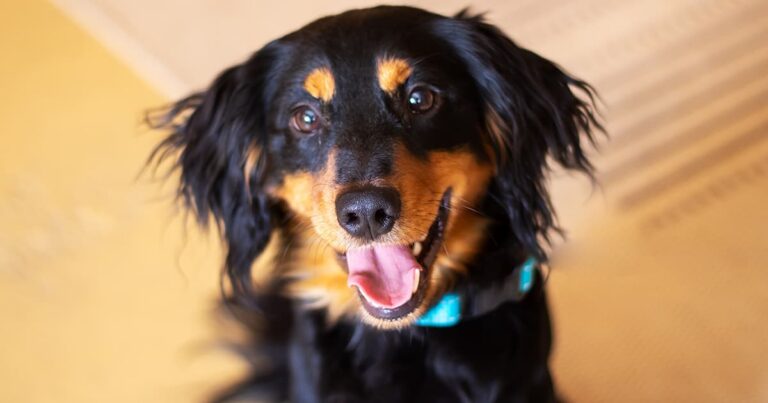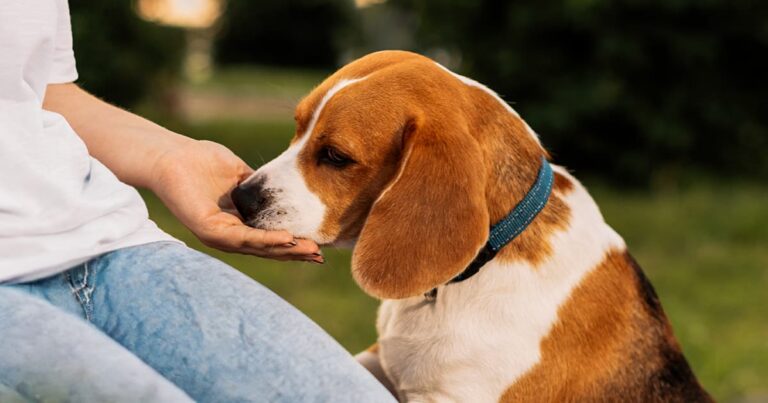

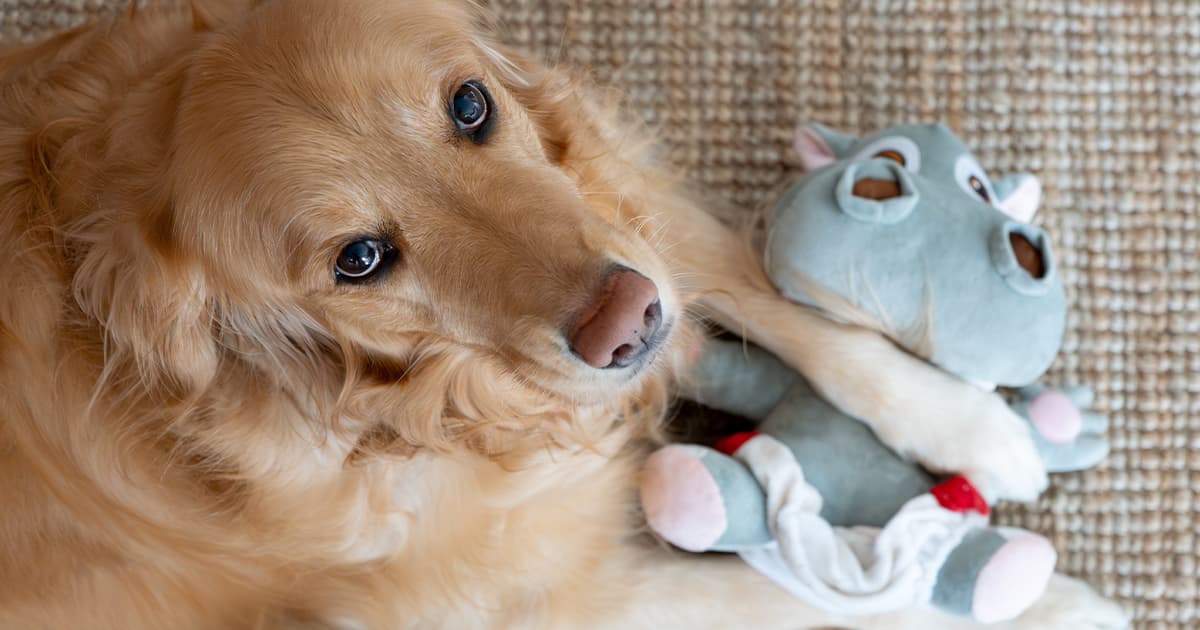
Have you noticed your dog reaching for toys with the same front paw? Like humans who favor their right or left hand, many dogs favor one paw.
This is called paw preference. Some pets favor the left paw or right paw, while others use both or switch depending on the activity. Here’s how to spot your dog’s paw preference.
Can Dogs Be Left- or Right-Pawed?
Dogs don’t have hands, but they may favor a particular front paw. Researchers call this laterality, or favoring one side of the body during certain tasks. It’s similar to handedness in humans, though the patterns aren’t identical. Some dogs show a left paw preference, while others have a right paw preference.
Paw use also involves the brain hemispheres. The left hemisphere helps control movement on the right side of the body, while the right hemisphere helps control the left side. But a toy’s position or how your dog stands can influence their choice. One reach won’t confirm a paw preference.
Are Most Dogs Right- or Left-Pawed?
Most humans are right-handed, but dogs appear more evenly divided. According to the American Kennel Club (AKC), studies have found left-pawed dogs, right-pawed dogs and dogs that use both paws. Dogs without a clear paw preference are sometimes called ambilateral dogs. They may use either side comfortably during a particular activity.
The proportion of right-pawed, left-pawed and ambilateral dogs changes depending on the test. So there’s no single answer to whether most dogs favor the right or left paw. The AKC notes that the Kong test and first-stepping test can give different results. Different activities may reveal different habits.
How Can You Tell if Your Dog Is Right-Pawed or Left-Pawed?
Try a few observations at home. Keep each test relaxed and let your dog move naturally, without guiding a particular choice. Choose a time when your pet is comfortable and curious. If they seem bored or distracted, try another day.
Try the Kong Test
Place a little food in a hollow Kong toy and give it to your pet. Watch whether their left paw or right paw holds the toy steady while they get the food out. Do they use the left or right paw, or both? Record the result. Start with the toy in front of them so its position doesn’t favor either side. Use the same setting for each try. For example, a slippery floor or moving toy might affect the results.
Try the Step Test
When your dog is standing comfortably on level ground, watch whether their left paw or right paw moves first as they start walking. Make a note, then repeat the activity later. Turning, obstacles or a pulling leash can affect the first movement. Watch without directing them.
For another observation, hold a treat in your closed hand. Watch which front paw reaches toward your fist, then repeat.
Keep a Simple Record
Count the number of times each paw is used. Formal versions of the Kong test and first-stepping test use about 50 observations, according to the AKC. You don’t have to collect them at once. Use several short sessions, especially if your pet loses interest.
If one side appears most often, your dog may favor it for that activity. Mixed results might indicate a weaker paw preference. Remember, this is just for fun, not a health or behavior assessment.
Do Left-Pawed and Right-Pawed Dogs Have Different Characteristics?
Could left-pawed dogs and right-pawed dogs have different personalities? Researchers have explored a potential link between paw preference and behavior, but paw use can’t reliably predict personality. A dog’s behavior depends on more than one habit. Don’t assume their preferred side means they’re nervous, confident or upset.
Your pet may respond differently to unfamiliar visitors than to playtime with friends. The situation matters more than a favored paw. Instead, watch your dog’s body language and what is happening around them. If you’re unsure, you can always pick up a few tips on how to read your dog’s body language.
What Can Your Dog’s Paw Preference Tell You?
Watching your dog play can reveal small habits. Do they reach for a treat the same way each time? How do they hold a favorite toy? You might notice a pattern during “shake” or “high five.” But training can influence which side your pet offers, so a learned trick isn’t always a useful test.
If your pet suddenly avoids using a limb, limps or seems uncomfortable, contact your veterinarian rather than assuming you’ve discovered a new preference. Whether your dog is a lefty, a righty or comfortable using both, the fun is in noticing what makes them unique.