
Do you feel like you never get a break from fur balls and dog-hair accessories? Tired of finding dog hair, aka “doggie glitter,” covering your clothes, furniture and floors? If you’ve ever wondered what causes your dog to shed, and why some times of the year seem to bring endless amounts of fur, you’re not alone.
When Do Dogs Shed the Most?
Shedding is a normal, natural way for dogs to get rid of old, dead hair and replace it with new growth. Different dog breeds shed in different amounts and frequencies, with some shedding seasonally while others shed year-round. The type of coat your dog has will determine how often it sheds, but shedding is strongly influenced by changes in daylight. The specific months and how much your dog sheds vary depending on several factors such as:
- Daylight
- Temperature
- Breed
- Nutrition
- Disease
- Stress
- Hormonal Changes (including pregnancy and nursing)
Fall and spring months are usually peak shedding times for double-coated dogs. As the days get shorter in the fall, some dogs shed their summer coats to grow a heavier, thicker, protective undercoat to insulate against the coming cold. Then, come spring, they shed their winter coats to make way for lighter, summer coats.
When dogs live primarily indoors, they’re exposed to more consistent, controlled artificial lighting and temperatures. This can reduce seasonal changes in their hair growth cycles, and as a result, they typically shed hair more lightly and consistently year-round. But if your dog spends most of their time outside, you may notice increased shedding each spring and fall.
Do All Dogs Shed?
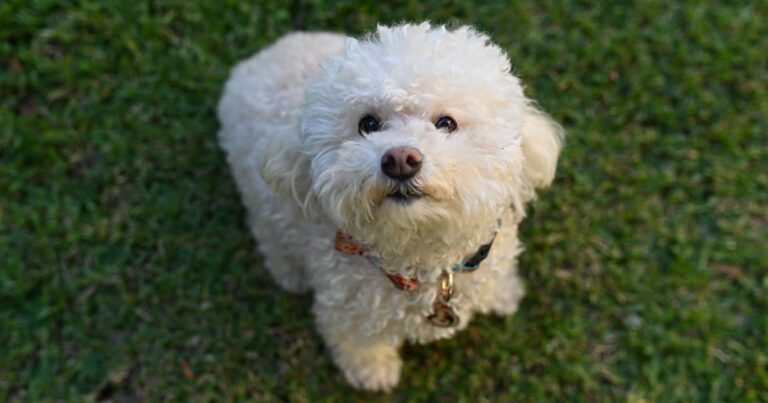
Yes, all dogs shed. It’s a normal and healthy part of how their coat renews itself. Dog breeds with no undercoat and those with wiry or curly hair (e.g., poodles and Bedlington terriers) tend to shed less than dogs with double coats or straight hair.
In contrast, double-coated breeds, such as collies, Australian shepherds, huskies and Keeshonds, tend to shed a lot due to their heavy undercoat. A dog with a double-layered coat has a soft undercoat that helps insulate the dog’s body and a coarser, long topcoat that helps repel water and dirt. Dogs with double coats usually lose their undercoats twice a year, while their topcoats are typically shed once a year.
Do Puppies Shed?
They do! Most puppies start shedding their soft baby coats around four to six months of age, but some may wait until much later to begin growing their adult coats. Breeds like the Pomeranian can take up to two years to fully grow their adult coat. Some dog breeds develop coats that change color and pattern from their puppy stage, including Dalmatians and Australian cattle dogs.
Why Is My Dog Shedding So Much?
Factors that may contribute to increased shedding include changes in routine, environmental conditions, grooming habits and hormonal changes. For example, some dogs may experience increased shedding after giving birth or after being spayed or neutered as their hormones adjust.
When Is Excessive Shedding in Dogs a Problem?
What feels like excessive shedding may actually be normal for some dogs, particularly during seasonal changes. However, a noticeable increase in hair loss can sometimes indicate an underlying health problem. Stress, poor nutrition, allergies, parasites and certain medical conditions, such as thyroid disease and Cushing’s disease, can contribute to abnormal hair loss. Parasites like fleas or mites may cause skin irritation, resulting in intense itching and scratching, which can further contribute to hair loss and bald spots.
Allergic skin disease can also contribute to hair loss in dogs, particularly when itching causes a dog to scratch, lick or chew at the skin. Although food allergies can cause itchy skin in some dogs, environmental allergies and flea-allergy dermatitis are more common causes of allergic skin disease.
If your dog’s fur is coming out in clumps, you notice bald patches or the skin appears red, irritated or inflamed, it’s a good idea to visit your veterinarian. A dog’s coat can be an indication of their overall health. A vet can assess whether the hair loss is normal or if it’s a symptom of an underlying health issue that needs attention.
Minimizing the Fur Fallout
While it’s impossible to completely prevent your pet from shedding, you can minimize the mess. First, make sure you’re feeding a complete and balanced dog food that provides the essential nutrients required for your dog based on their age, breed size, activity level and overall health. Dogs whose diets don’t adequately meet their nutritional needs may have a dry, brittle and dull coat and shed excessively. Incorporating supplements like fish oil into your dog’s diet can support skin and coat health and may be beneficial for some dogs with skin conditions. However, always ask your veterinarian before adding any supplement to your dog’s diet.
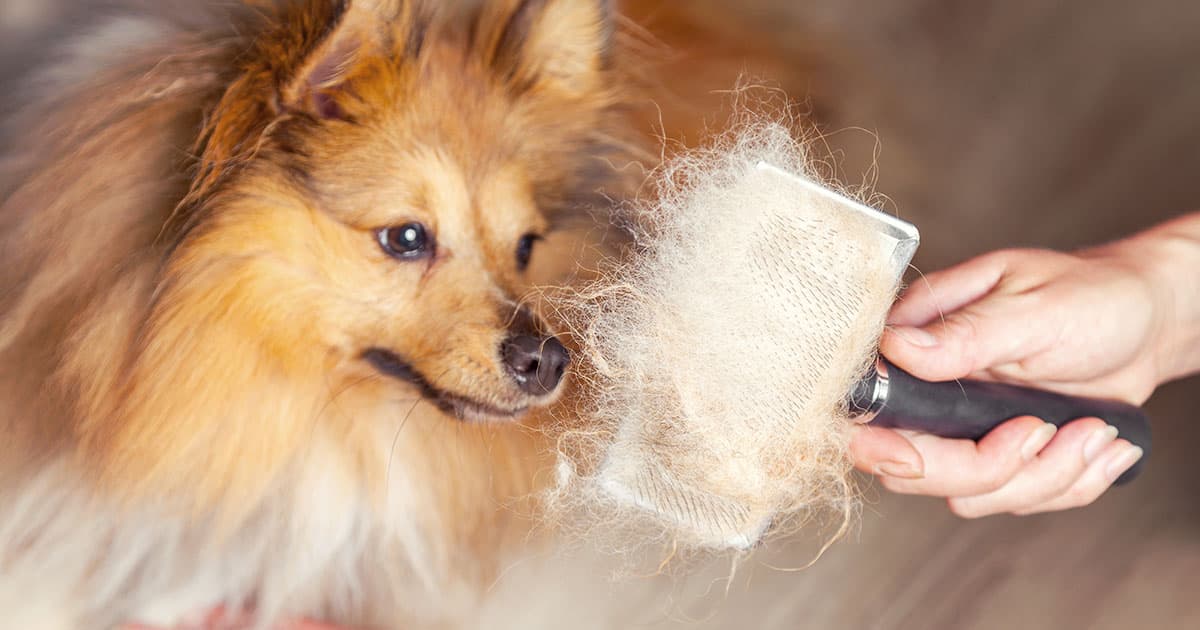
Second, regular grooming may help minimize shedding. Brushing your dog regularly, even daily, removes loose hair and keeps it from falling onto furniture or the floor. Brushing also helps distribute their natural oils throughout the coat.
Each dog has specific brushing requirements depending on factors like breed, coat type, age and lifestyle. For instance, dogs with long fur often need regular grooming to avoid tangles and mats, whereas short-haired breeds might only need weekly brushing to eliminate loose hair and maintain healthy skin.
Shedding is a natural process for dogs, and there isn’t always a specific shedding season. How much and when your dog sheds depends on many factors, including their breed, coat type, nutrition, exposure to daylight and overall health. While you can’t prevent normal shedding, the good news is that with adequate nutrition and regular grooming, you can reduce the amount of loose hair that ends up around your home.