
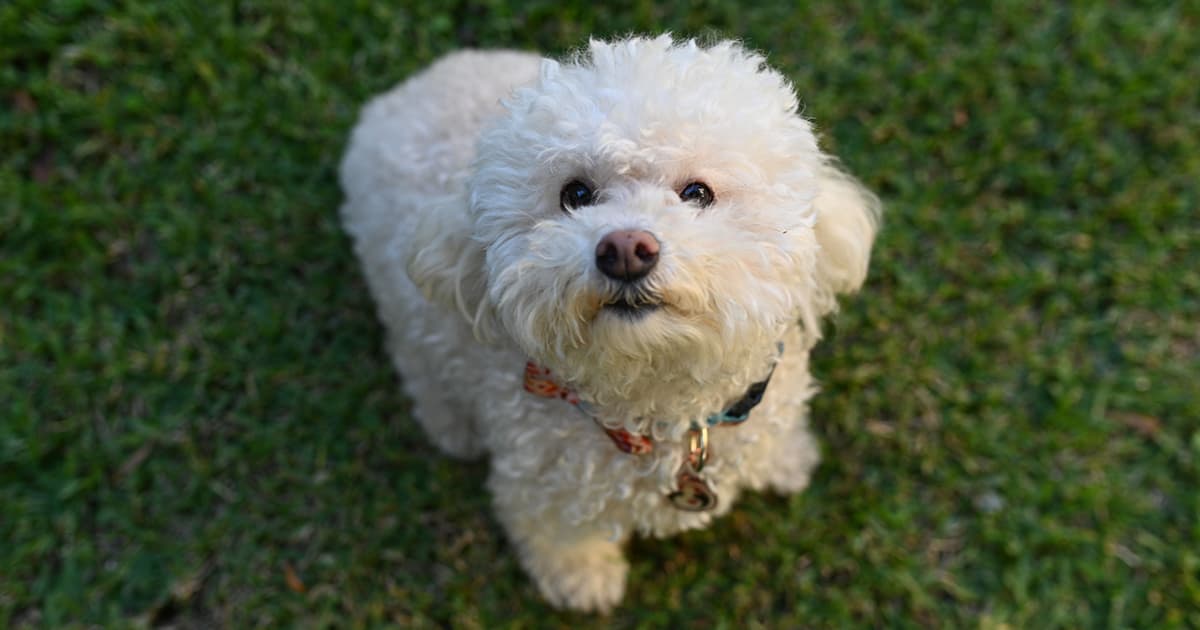
Ah, the joys of dog ownership! They greet you with wagging tails, cuddly snuggles and those adorable puppy-dog eyes. But wait — what’s that? A sneeze? A sniffle? A full-blown allergy attack? You’re not allergic to your dog; instead, your immune system is reacting to the proteins, or “allergens,” found in their skin dander (dead skin cells), saliva and urine.
Contrary to popular belief, it’s these proteins, not fur, that cause allergies. Some low-shedding breeds are often promoted as being better for people with dog allergies because they may disperse less hair and dander into the environment. However, low shedding does not guarantee lower allergen exposure, and individual dogs can vary considerably in the amount of allergen they produce.
Dogs That Don’t Shed — Do Hypoallergenic Dogs Exist?
Many low-shed breeds are labeled “hypoallergenic” breeds because they are thought to spread fewer allergens into the environment. However, there are no breeds that are 100 percent hypoallergenic (including hairless dogs), because the proteins responsible for dog allergies are found in the urine and saliva of dogs, as well as their dander (dead skin cells).
Additionally, nearly all dogs shed to some degree — some hairless breeds like the American hairless terrier are the exception. Shedding is a normal and healthy part of how a dog’s coat renews itself. However, dog breeds with no undercoat and those with wiry or curly hair (e.g., poodles and Bedlington terriers) tend to shed less than dogs with double coats or straight hair.
In contrast, double-coated breeds (e.g., collies and huskies) tend to shed a lot due to their heavy undercoat. A dog with a double-layered coat has a soft undercoat that helps insulate the dog’s body and a coarser, long topcoat that helps repel water and dirt. Regular brushing and grooming can help remove loose hair and dander, although brushing may temporarily disperse allergens into the environment. For households with significant dog allergies, grooming may be best performed outdoors or by someone who is not allergic.
Low-Shedding Dog Breeds
The best dogs for some people with allergies may be low-shedding breeds. Because these pups shed less hair into your home, they may release fewer airborne allergens, making them less likely to trigger your allergies. However, just because a breed is labeled as low-shedding or hypoallergenic doesn’t necessarily mean it’s the best fit for your family. Some dogs may require more exercise or possess personalities that may not suit your household. Explore some wonderful breeds that might be your perfect match.
Pint-Sized Pups: Small Hypoallergenic Dogs
Bichon frise: Bichons are not only cheerful and cute; they are considered low-shed. With a super-soft, white, curly coat, they look like a cloud, especially with a round haircut. They are loving lap dogs with amusing personalities and a friendly nature.
Miniature schnauzer: With their bushy eyebrows and energetic spirit, schnauzer fans will be happy to know that mini schnauzers have the same low-shed traits as their larger counterparts the standard schnauzer and the giant schnauzer. All three sizes need regular exercise and mental stimulation to avoid boredom.
Yorkshire terrier: Tiny but mighty! These little bundles of joy require regular grooming to keep their fine, silky hair looking fabulous, but they shed very little. A Yorkie will keep you smiling with their playful personality.
Maltese: These graceful pups are a little bundle of love with a stunning silky coat that doesn’t shed much. They are playful and energetic, but they like attention, so be prepared to have them in your lap. Maltese make a great choice if you live in an apartment due to their tiny size and low exercise requirements.
Chinese crested: If you’re searching for a truly unique pet, this hairless breed stands out as both quirky and adorable. They are easily recognizable by their hairless bodies, with hair only present on their paws and feathery tail, and long, flowing hair on their heads. These dogs are affectionate and love to cuddle, earning them the nickname “velcro dogs” because of their constant desire for human contact.
Good Medium-Sized Hypoallergenic Dog Breeds
Lagotto Romagnolo: This breed has a wooly texture and tight ringlets that act as a trap for dander. Just watch out; they can be rambunctious, rowdy and love to play. They make great family dogs and are good with children.
Portuguese water dog: Famous for their single-layer waterproof coat, this athletic and intelligent breed sheds very little. Highly trainable and energetic, they require regular attention, grooming and exercise.
Irish water spaniel: This breed straddles the line between medium and large dogs and has a dense, tight, curly coat with loose curls on the top of their head. Known as intelligent and inquisitive, they are devoted companions and aim to please their owners.
Large Hypoallergenic Dogs
Kerry Blue Terrier: One of the larger terrier breeds full of energy and charm, these pups not only shed less but are also great companions for active households. Their single coat is soft, dense and slightly wavy, which is one of their most distinguishing characteristics.
Standard poodle: With their luxurious, curly coat that traps dander rather than releasing it into the air, they may be a great fit for allergy sufferers due to their minimal shedding. Whether it’s a day at the park or snuggling on the couch, their friendly and social nature makes them fantastic companions for active families.
Afghan hound: A striking breed with a thick, silky coat and a distinctive tail with a ring curl at the end, their coat is close to the texture of human hair. Despite their long hair, they shed very little. Their personality can be independent and aloof, but they can be silly and act goofy around their family.
Although no dog is entirely hypoallergenic, the breeds mentioned here may help reduce the likelihood of allergic reactions. A non-shedding dog may spread fewer allergens, but it’s important to keep in mind that individual allergies can differ. Spend some time with any breed you’re considering bringing home and also consider their temperament, size, health issues, grooming requirements and other needs. People with moderate to severe allergies should discuss dog ownership with their physician or allergist. Remember, choosing the right dog is about finding a companion that fits your lifestyle and adds joy to your life!